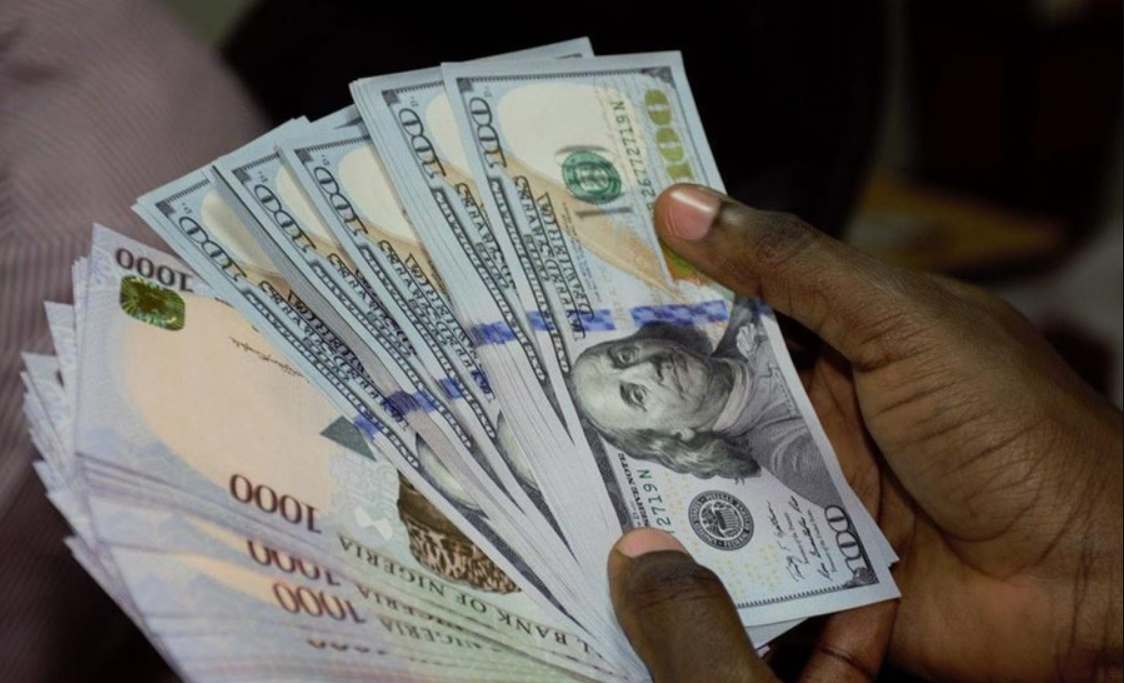
The Nigerian Naira maintained its strong performance against the United States Dollar as it entered the final trading session of January 2026, sustaining momentum built over the past week.
At the official window, the local currency continued to hover around the key ₦1,390 support level, reflecting the positive effects of sustained liquidity measures and improving investor sentiment across the foreign exchange market.
At the Nigerian Foreign Exchange Market (NFEM), the Naira opened Friday’s session at approximately ₦1,388.07 per dollar. Early trading saw mild fluctuations as corporates adjusted to end-of-month demand pressures. By mid-morning, the exchange rate had stabilized at ₦1,391.00 per dollar.
This stability comes after a week in which the Naira decisively broke below the ₦1,400 psychological threshold. Analysts attribute the resilience to the Central Bank of Nigeria’s (CBN) consistent deployment of the Electronic Foreign Exchange Matching System (EFEMS) and a steady rise in external reserves. These measures have enhanced transparency and narrowed the bid-ask spread, creating a more predictable environment for importers and exporters.
The parallel market also reflected similar calm, albeit at a customary premium to the official rate. In major commercial hubs including Lagos, Abuja, and Kano, Bureau De Change operators quoted the dollar between ₦1,460 and ₦1,475.
Unlike previous end-of-month periods, the informal market did not experience sharp volatility. Traders reported adequate dollar supply for retail needs such as personal travel allowances and small business transactions. The absence of speculative hoarding helped keep rates within a stable range, offering relief to consumers and small-scale entrepreneurs.
As of the latest update, the NFEM official opening rate stood at ₦1,388.07 per dollar, with the trading average at ₦1,391.00. The parallel market average across major centres remains around ₦1,467.
With markets set to close for the weekend, analysts remain cautiously optimistic that the Naira will extend its positive run into February. Easing inflation, a surplus balance of payments position, and proactive central bank management continue to provide a solid foundation for the local currency’s strength against the dollar.