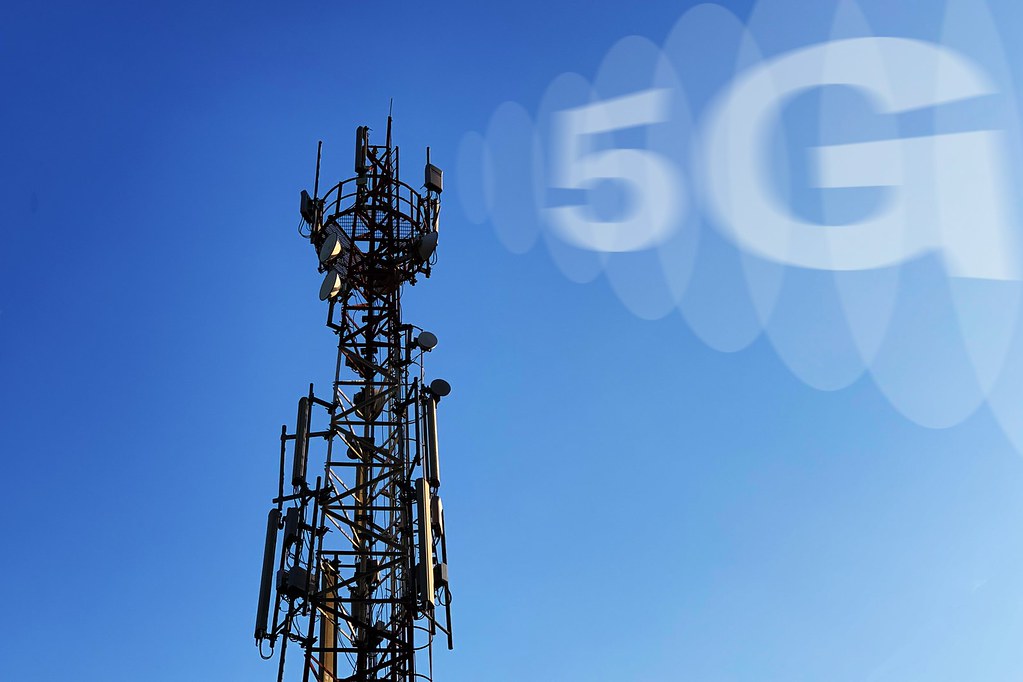
Namibian telecom operators are expected to begin a gradual shutdown of 2G and 3G networks starting this year, as the country accelerates its transition toward faster and more advanced connectivity, according to the Communications Regulatory Authority of Namibia (CRAN).
In a statement issued on January 27, the regulator said the move forms part of a broader strategy to migrate to 4G, 5G and satellite technologies in order to deliver improved broadband services amid rapid digital transformation.
CRAN noted that 2G and 3G technologies no longer meet modern standards for service quality and connectivity, while the cost of maintaining the legacy networks has become increasingly high.
By contrast, the authority said 5G technology has the potential to significantly enhance broadband performance and enable a wide range of applications across key sectors of the economy, including transport and logistics, finance, trade, agriculture, health, education, as well as mining and energy.
Alongside mobile network upgrades, Namibia is also turning to satellite connectivity, particularly low-Earth-orbit (LEO) systems. These satellite constellations operate much closer to Earth than traditional geostationary satellites, offering lower latency and improved service quality.
CRAN disclosed that it granted licenses earlier this month to local providers to operate OneWeb’s satellite capacity. The licensed firms are expected to deliver services directly to end users or provide capacity to other service providers.
According to CRAN Chief Executive Officer, Emilia Nghikembua, satellite technology is especially suited for providing connectivity to offshore, remote and rural areas. She said the technology would play a crucial role in reducing Namibia’s digital divide.
Nghikembua also noted that the continued development of direct-to-device satellite capacity would lead to closer integration between satellite and mobile technologies in the future.
The initiative aligns with government efforts to improve overall network performance as demand for high-speed connectivity continues to rise. Namibia has set a target of achieving a minimum download speed of 25 megabits per second by October 2026.
However, the transition faces significant hurdles. For telecom operators, the cost of rolling out 4G and 5G infrastructure nationwide remains high. Data from the GSMA’s Mobile Connectivity Index 2025 shows that 2G and 3G networks currently cover 100 per cent and 95 per cent of Namibia’s population, respectively. In comparison, 4G coverage stands at 86.5 per cent, while 5G coverage remains at zero per cent, despite the commercial launch of 5G services in August 2025 by operator MTC in four cities.
An Ericsson study published in 2022 estimated that the base cost of deploying 5G in a country ranges between $3 billion and $8 billion, with an additional 20 to 35 per cent investment typically required to extend coverage nationwide.
Beyond network deployment, consumer adoption remains another major challenge. While 2G and 3G services are accessible on low-cost feature phones mainly used for calls, SMS and mobile money, access to 4G and 5G services requires smartphones, which are significantly more expensive.
The GSMA has identified device affordability as one of the main barriers to mobile internet adoption in many countries, alongside the cost of data plans, digital skills gaps, perceived relevance of services and overall customer experience.