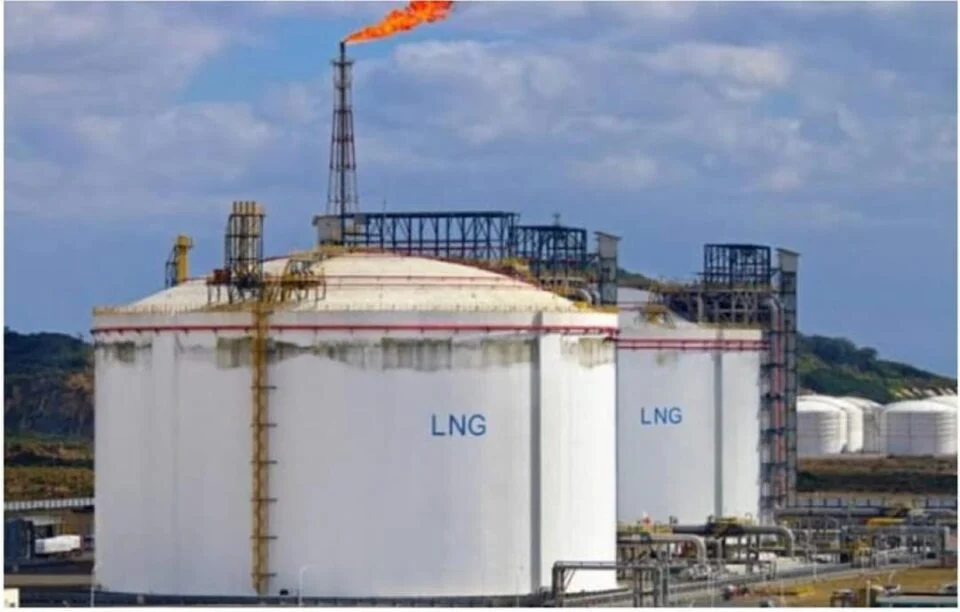
A cargo of liquefied natural gas (LNG) from Nigeria has been redirected to Asia after soaring regional prices created an arbitrage opportunity for traders, Reuters reported.
Data from analytics firm Kpler showed that the LNG tanker BW Brussels, which loaded at the Nigeria LNG Bonny Island Terminal on February 27, initially signalled a westward journey toward Europe. However, the vessel altered course and headed south toward Asia via the Cape of Good Hope.
Analysts attributed the diversion to the widening price gap between Asian and European gas markets, which has been exacerbated by ongoing disruptions to Middle East supplies.
Asia’s benchmark LNG price surged sharply last week amid the ongoing conflict between the United States and Iran and a production suspension in Qatar. The Japan-Korea Marker for spot LNG cargoes jumped 68.52% to $25.393 per million British thermal units (mmBtu) for April delivery, the highest level in three years, according to S&P Global Platts.
In comparison, spot LNG prices for deliveries to northwest Europe rose by about 57% to $15.479 per mmBtu, leaving Asia as the more lucrative destination for flexible cargoes.
Market analysts said the widening price differential opened arbitrage opportunities, prompting traders to redirect LNG shipments from the Atlantic Basin to Asian buyers willing to pay a premium.
“So far, one LNG tanker that loaded in Nigeria last week has diverted to Asia from its initial Atlantic-bound course,” Reuters reported, quoting Kpler analyst Go Katayama.
Qasim Afghan, an analyst at Spark Commodities, added that global front-month arbitrage opportunities had “increased significantly” and were now open to Asia across several major LNG export locations. He noted the price differential between Asian LNG and Europe’s Title Transfer Facility (TTF) hub had widened to about $5 per mmBtu in favour of Asia.
The shift underscores how quickly global LNG trade flows can respond to pricing signals, particularly for shipments with flexible destination clauses. Katayama said, “This likely reflects the widening Atlantic–Pacific arbitrage, with stronger Asian pricing making diversions of destination-flexible Atlantic cargoes more attractive.”
The tightening supply has also prompted Asian buyers to seek alternative sources. India is reportedly scouting for LNG to replace lost Qatari supply, while Bangladesh’s state-run Petrobangla plans to issue tenders for prompt LNG cargoes.
Analysts at S&P Global Energy noted that Asia-Pacific buyers are likely to dominate the near-term spot market, though Europe could still attract some flexible cargoes due to the liquidity in the TTF market.
For Nigeria, the diversion highlights the influence of global LNG price signals on cargo destinations. Experts suggest that if Asian prices continue to significantly outpace European prices, more LNG shipments from Atlantic producers, including Nigeria, could be redirected to the east in the coming weeks.