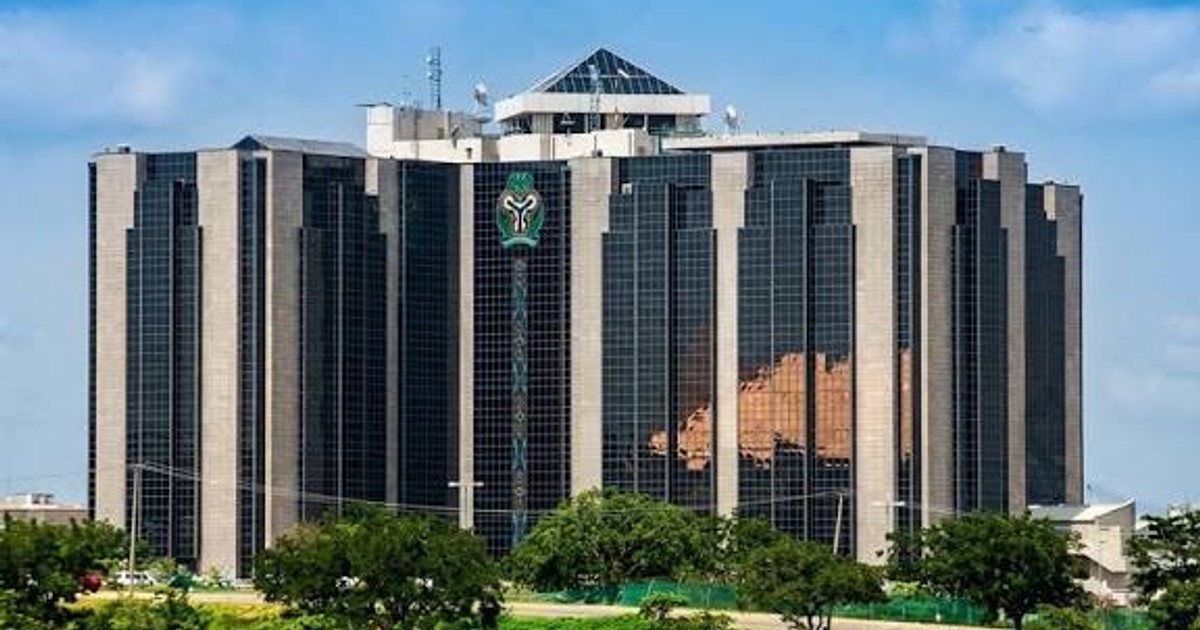
Nigeria’s banking sector is entering the decisive phase of its most ambitious recapitalisation exercise in more than a decade, with lenders adopting sharply different strategies to meet new regulatory capital thresholds ahead of the March 31, 2026 deadline set by the Central Bank of Nigeria (CBN).
While market attention has largely focused on banks that have already crossed the ₦500 billion capital requirement for international banking licences, a growing number of lenders are pursuing phased strategies—first securing national licences before building towards the higher international tier. Among them is FCMB Group Plc, whose approach highlights the strategic divergence now emerging across the industry.
The recapitalisation policy, announced in March 2024, introduced a three-tier licensing framework comprising regional, national and international banks. Under the rules, national banks are required to maintain a minimum paid-up capital of ₦200 billion, while international banks must hold at least ₦500 billion.
The reforms are aimed at strengthening financial institutions, enhancing resilience against economic shocks and positioning banks to finance large-scale projects capable of supporting Nigeria’s long-term economic growth.
FCMB crossed the national threshold in 2024 after raising ₦147.5 billion through an oversubscribed public offer reportedly taken up by more than 42,000 investors and exceeding its target by about 33 per cent. The successful exercise pushed its banking subsidiary above the ₦200 billion requirement, securing a national banking licence well ahead of the regulatory deadline and easing immediate compliance pressure.
Since then, the group has continued to build towards international status. In October 2025, FCMB launched a second capital-raising exercise of about ₦160 billion, while shareholders approved a broader ₦400 billion capital mandate in December 2025. The approval gives the group flexibility to deploy a mix of public offers, private placements and strategic asset sales.
Market analysts caution against viewing phased capital raising as a sign of delay. “The regulator allows banks until 2026,” a Lagos-based banking analyst said. “What matters is whether capital is fully paid up and approved by then, not the sequence in which it is raised.”
Several tier-one lenders opted for speed over sequencing. Access Bank, Zenith Bank, Guaranty Trust Bank, United Bank for Africa (UBA), Fidelity Bank and First Bank of Nigeria have announced capital transactions that lifted their paid-up capital above the ₦500 billion international threshold. These moves, often involving sizeable rights issues, private placements or asset divestments, have delivered early regulatory clarity and stronger market positioning, albeit with higher shareholder dilution and exposure to volatile market conditions.
Other institutions have taken a more focused route. Banks such as Wema Bank, Stanbic IBTC, Citibank Nigeria and Standard Chartered Bank Nigeria have met the ₦200 billion requirement and opted to retain national licences, reflecting strategic decisions around scale, market focus and the complexity of cross-border operations.
FCMB sits between the two camps. Having secured its national licence early, it now faces the strategic choice of completing the transition to international status or consolidating domestically. A top banking executive disclosed that FCMB, Wema Bank, Standard Chartered and Citibank have officially secured their national licences, with FCMB “in the final sprint” to reach the ₦500 billion mark for an international banking licence.
Beyond individual banks, the recapitalisation drive is reshaping the sector. It has already triggered mergers, asset sales and licence downgrades, particularly among smaller lenders prioritising sustainability over expansion. Islamic and non-interest banks have largely met their respective requirements, underscoring resilience within niche segments of the industry.
Macroeconomic headwinds add further complexity. Persistent inflation, currency volatility and tight global funding conditions are making equity issuance more challenging. In this environment, phased recapitalisation offers a way to manage valuation risks and investor sentiment, even as it attracts heightened scrutiny.
As the deadline draws closer, investor focus is shifting from announcements to confirmed inflows and regulatory approvals. Nigeria’s banking reset is no longer about intent but execution. For FCMB and others pursuing phased strategies, the coming months will determine whether they join the ranks of international lenders or consolidate their position as strong national champions in a reshaped banking landscape.