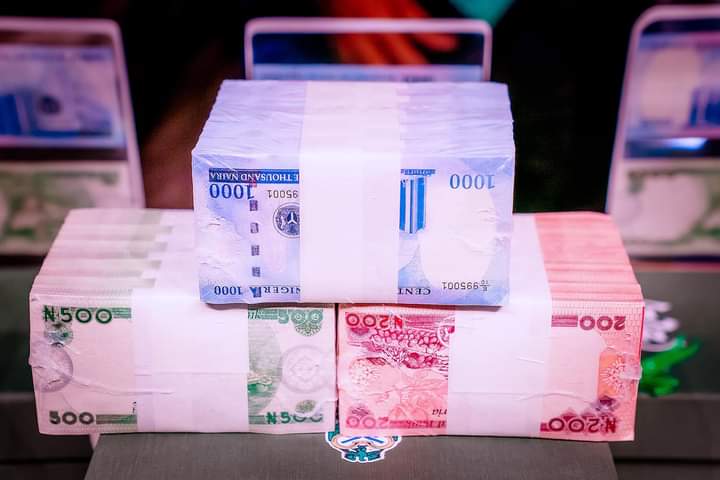
Nigeria’s banking system recorded a major liquidity boost of N5.11 trillion in November, driven by a combination of large Treasury bill redemptions, Open Market Operation (OMO) maturities, and government disbursements.
The surge in cash inflows significantly eased funding pressures across the financial system, leading to a sharp drop in interbank interest rates and renewed demand for fixed-income securities.
Breakdown of the inflows shows that banks received N1.35 trillion from Nigerian Treasury Bill (NTB) maturities and N1.76 trillion from OMO maturities, which provided immediate liquidity support. Additional funding strength came from the N2 trillion Federation Account Allocation Committee (FAAC) disbursement, which entered the system as government spending accelerated.
Market traders described the combined inflows as leaving the banking system “comfortably funded,” with many financial institutions holding surplus cash positions throughout most of the month.
The strong liquidity environment also pushed down short-term borrowing costs. The Overnight Nigerian Interbank Offered Rate (O/N NIBOR) fell sharply by 814 basis points month-on-month to 22.86 per cent.
Similarly, the 1-month, 3-month, and 6-month interbank rates declined moderately, reflecting reduced demand for overnight funding as banks operated with large idle balances.
Analysts say the development could support enhanced activity in the bond and Treasury markets while easing credit conditions if liquidity conditions remain favourable.