Nigeria’s financial technology sector recorded an impressive 70 per cent growth in 2025, defying a challenging global economic environment, according to the Central Bank of Nigeria (CBN).
The development was contained in a report released on Monday titled “Shaping the Future of Fintech in Nigeria: Innovation, Inclusion, and Integrity,” which highlighted Nigeria’s emergence as one of Africa’s leading digital finance hubs.
The apex bank attributed the strong growth to improved domestic economic stability and a deliberate focus on digital transformation, noting that the sector has evolved from a cluster of small startups into one of the continent’s most vibrant innovation ecosystems.
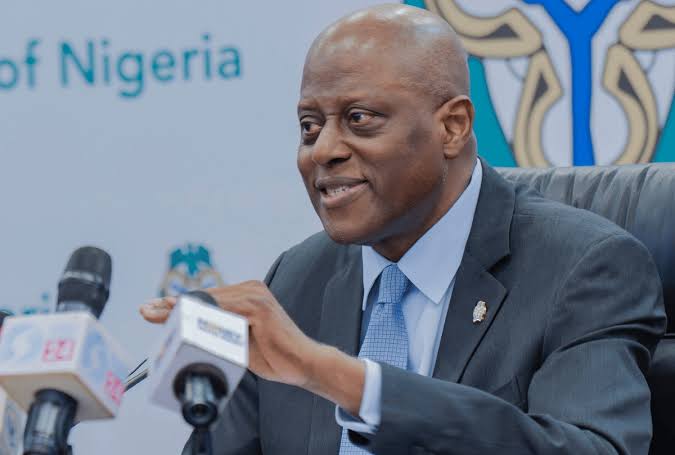
Governor of the Central Bank of Nigeria, Olayemi Cardoso, said Nigerian fintech firms continued to attract investment and drive innovation despite global economic pressures.
“Even amid global economic headwinds, Nigerian fintech firms continued to attract investment and drive change. Today, with improved stability of our currency and domestic economy, it is clearer than ever that financial innovation can advance inclusion at scale,” Cardoso said.
However, the report warned that several challenges could slow future growth if left unaddressed. Rising compliance costs, particularly in areas such as fraud prevention and anti-money laundering, were identified as major burdens for operators. Delays in regulatory approvals for new products were also cited as factors affecting time-to-market.
The CBN further identified technical and systemic issues limiting expansion within the ecosystem. About half of industry stakeholders described interoperability across fintech platforms as poor, citing fragmented application programming interface (API) standards and data protocols. In addition, 37.5 per cent of respondents pointed to weak digital identity integration and the absence of comprehensive credit histories as barriers to scaling financial services.
Infrastructure pressure during peak transaction periods was also highlighted, with the report referencing a “Detty December” case study that showed how spikes in travel spending, remittances and salary payments test the resilience of Nigeria’s payment systems.
To sustain the sector’s momentum, the CBN outlined policy measures aimed at balancing innovation with financial stability. These include a proposed shared defence model for real-time fraud intelligence sharing, the exploration of regulatory passporting to support cross-border expansion within Africa, and the use of open banking and tiered Know-Your-Customer frameworks to extend services to unbanked and underbanked populations.
The report concluded that by strengthening collaboration between regulators and innovators, Nigeria’s fintech sector can remain a key driver of economic growth and serve as a model for financial inclusion across Africa.