Nigeria’s electricity supply chain is under renewed pressure as financial and contractual disputes between Generation Companies (GenCos) and gas suppliers disrupt fuel deliveries, causing heightened grid instability and widespread blackouts across the country.
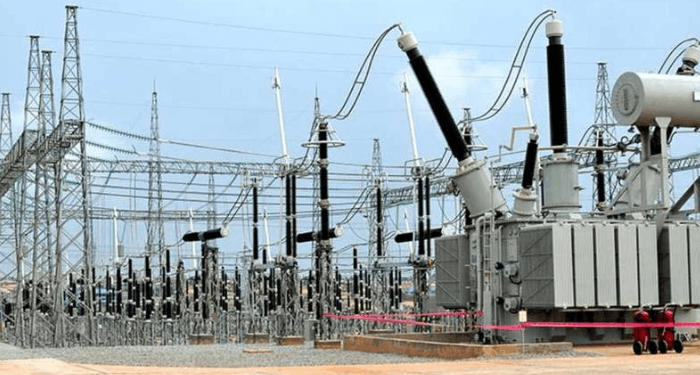
Industry insights shared with Nairametrics, along with operational data across the power value chain, indicate that mounting debts, foreign exchange constraints, and infrastructure vulnerabilities continue to undermine the reliability of gas-fired power plants, which generate the majority of Nigeria’s electricity.
Thermal plants, primarily fueled by natural gas, account for over 70% of electricity production, sometimes exceeding 80% during peak seasons. However, persistent liquidity challenges within the sector are affecting gas supply.
A GenCo executive explained the root cause succinctly: “Payment.” He noted that for every N100 invoiced, between N60 and N70 goes directly to gas suppliers. He added, “The grid is not stable. Up and down — that consumes about 15 to 25 percent gas that nobody is paying for but must be paid by the GenCos. Gas is priced in dollars. But we pay in naira… the difference between the CBN rate and the black market rate is our loss.”
The Association of Power Generation Companies (APGC), through CEO Joy Ogaji, dismissed claims that N2.8 trillion represents a finalized settlement of legacy debts, reinforcing concerns about unresolved financial obligations in the sector.
The federal government has intervened to stabilize the power sector, implementing measures to clear debts and restore confidence across the electricity value chain. In December 2025, N185 billion owed to natural gas producers was approved for settlement. Earlier in June 2025, frameworks for a N4 trillion bond to settle arrears owed to GenCos and gas suppliers were concluded.
Despite these interventions, experts warn that without comprehensive reforms addressing pricing, liquidity, and infrastructure security, the crisis may persist. Stakeholders continue to advocate for cost-reflective tariffs and improved foreign exchange access for power operators.
Nigeria’s ongoing gas supply challenges underscore the complex interplay between finance, policy, and infrastructure in the energy sector. Resolving these systemic issues remains critical to ensuring reliable electricity, supporting industrial growth, and attracting investment.