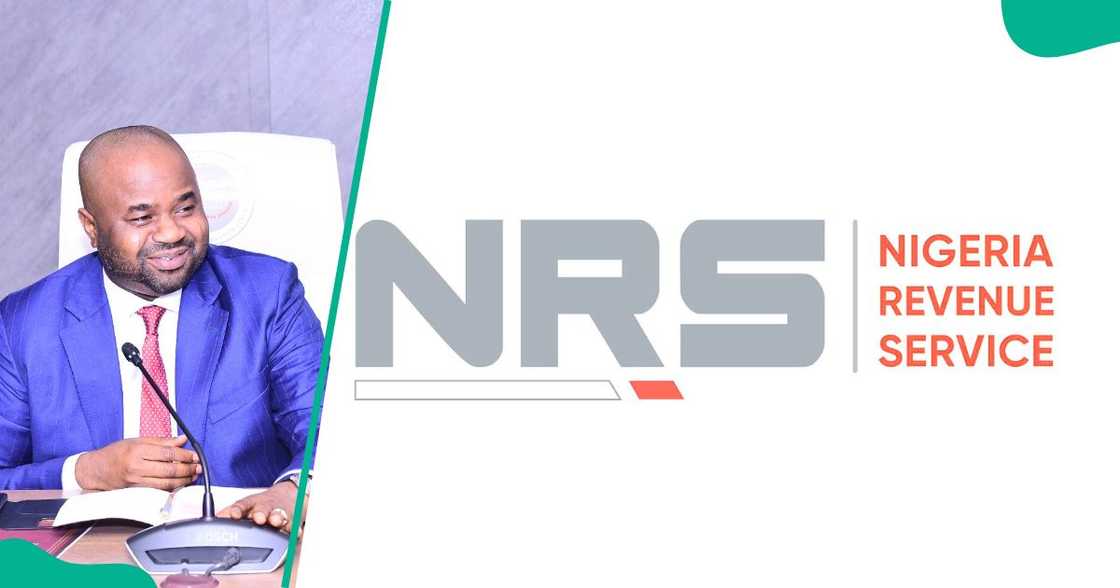
The Executive Chairman of the Nigeria Revenue Service (NRS), Zacch Adedeji, has declared that the success of the nation’s historic 2025 tax reforms depends entirely on a shift toward digital-first operations. Speaking on Monday at a workshop themed “Harmonising Revenue Systems and Implementing New Tax Laws” in Abuja, Adedeji emphasised that the reforms, which took full effect on January 1, 2026, require automation, integrated databases, and data-driven compliance systems for effective implementation.
Adedeji warned that fragmented revenue systems, multiplicity of taxes, informal collection mechanisms, and illegal roadblocks undermine compliance, inflate the cost of doing business, and erode public confidence. He urged the FCT Administration, FCT-IRS, and Area Councils to adopt a coordinated framework with shared data systems and uniform compliance protocols, noting that technology is foundational to effective fiscal governance.
Represented by the Executive Secretary of the Joint Tax Board, Olusegun Adesokan, Adedeji also highlighted the importance of sub-national execution, stressing that policy coherence and inter-agency collaboration would determine the ultimate success of the reforms.
Michael Ango, Acting Executive Chairman of the FCT-IRS, added that harmonisation aims to improve efficiency without usurping authority, asserting that the move will resolve issues of duplicity and multiple taxation while ensuring revenues are properly credited to their rightful agencies. He also linked revenue reforms to broader infrastructural development in the FCT, marking 50 years since the territory’s conception in 1976.
The Federal Government began enforcing the new tax regime at the start of 2026, introducing four major laws: the Nigeria Tax Act 2025, Nigeria Tax Administration Act 2025, Nigeria Revenue Service Establishment Act 2025, and Joint Revenue Board Establishment Act 2025. Adedeji underscored that sustainable revenue growth relies on strengthening systems rather than increasing tax rates, a strategy essential for meeting the ambitious ₦40.71 trillion revenue target for the year.