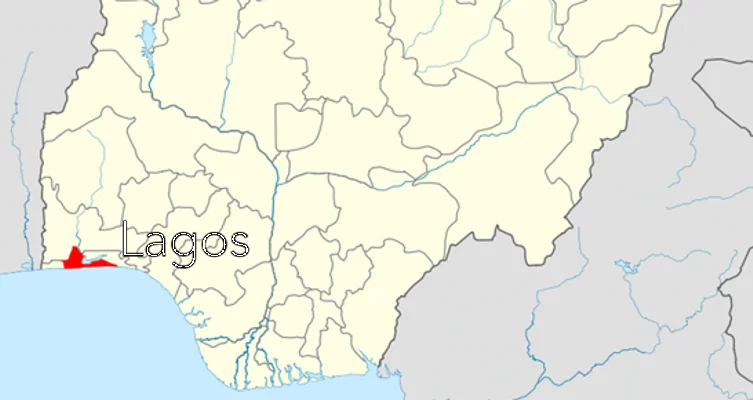
The founder and Chief Executive Officer of Oikus, Mr Israel Ihaza, has attributed the rising cost of accommodation across Lagos State to systemic inefficiencies rather than an actual shortage of housing units.
Speaking in an exclusive interview with The PUNCH, Ihaza explained that weak market structures, unreliable information and widespread fraud are distorting prices in the real estate sector.
According to him, when house hunters are unable to access verified property listings and transactions are riddled with uncertainty, rents and prices become artificially inflated.
“On the rising cost of accommodation in Lagos, the challenge goes beyond demand. Lagos does not necessarily suffer from a lack of houses; it suffers from inefficiency, information asymmetry, and broken trust. When house hunters cannot reliably find verified listings, and transactions are filled with uncertainty and fraud, prices inflate artificially,” he said.
Ihaza noted that solving the problem would require better housing data, verified supply, transparent pricing and a reduction in the friction associated with property searches and transactions.
“Addressing this requires better data, verified supply, transparent pricing, and reduced friction in the search and transaction process. Technology can help surface real demand and real supply, reducing speculation and exploitation,” he added.
The Oikus CEO also lamented that Lagos’ current housing development framework discourages mid-scale and affordable housing developers, pushing the market further towards luxury housing.
“As for housing development being skewed toward the wealthy, the current structure makes it extremely difficult for mid-scale and affordable housing developers to survive. Multiple levies, overlapping approvals, and long timelines increase costs, which are eventually passed on to buyers and renters,” Ihaza stated.
He stressed that the way forward lies in better coordination among regulators, simplified approval processes, predictable costs and improved data-sharing between industry players and government agencies.
“We believe real estate needs a different approach from other sectors. Technology alone is not enough. Trust, regulation, data, and human behaviour must work together. If we get this right, we can unlock affordability, improve access, and build a healthier housing market for millions of Nigerians,” he said.
Commenting on Oikus’ recent recognition as one of the top 20 African startups to watch, Ihaza described the honour as a validation of the company’s mission to tackle deep-rooted problems in the real estate sector.
He said the recognition underscores that issues such as trust, transparency, affordability and access are not limited to Nigeria but are common across the continent.
“For us at Oikus, this recognition affirms that the challenges we are addressing go beyond local concerns. It strengthens our resolve to build lasting infrastructure, not short-term fixes, for Africa’s real estate ecosystem, starting with Nigeria,” he said.
Oikus is a Lagos-based, trust-first real estate technology company focused on addressing fraud, inefficiency and lack of transparency in the property market. The company was founded following real-life experiences with fake listings, unreliable agents and failed transactions. It aims to make property search, inspection and transactions safer and more predictable for everyday Nigerians. The company was founded by Israel Ihaza, with Temi Kalaro serving as co-founder and product lead.