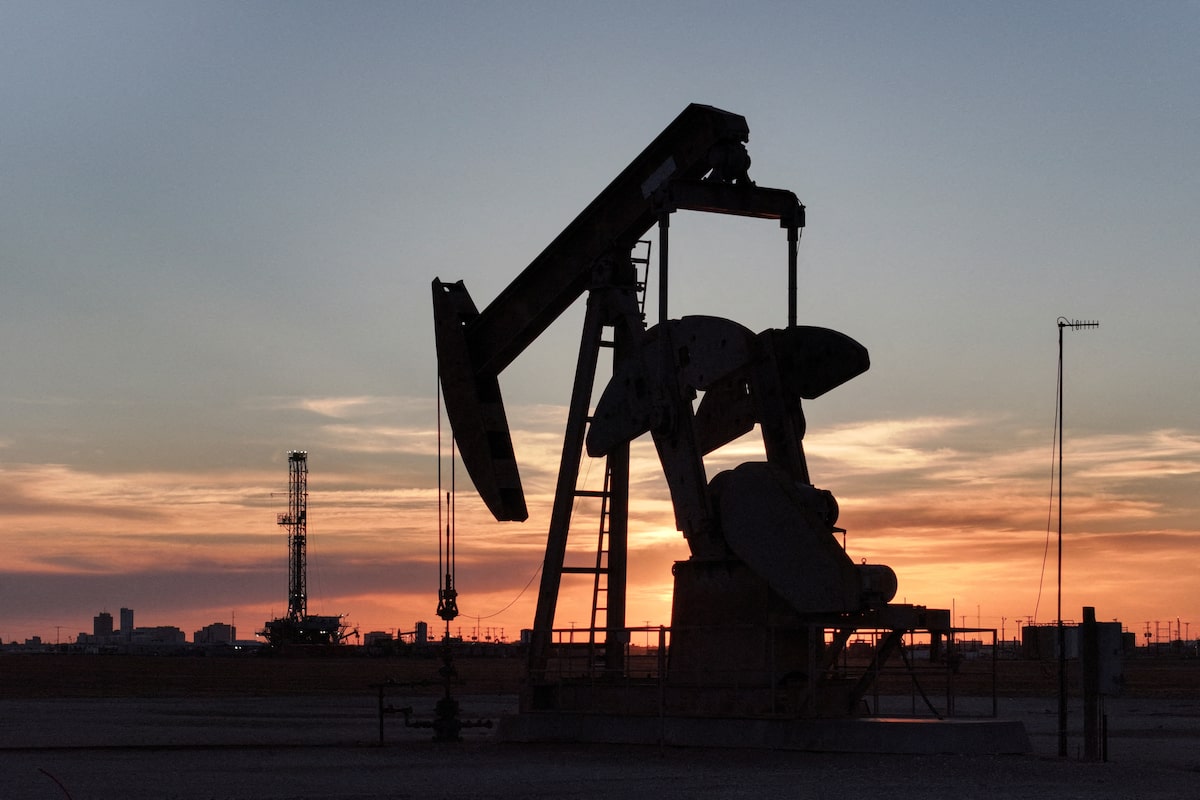
Global oil prices surged on Thursday after Iran intensified attacks on oil and transport facilities across the Middle East, heightening concerns over potential disruptions to crude shipments through the Strait of Hormuz.
Benchmark Brent Crude futures climbed $8.54, or 9.28 per cent, to $100.52 per barrel at 0354 GMT. Meanwhile, West Texas Intermediate (WTI) crude rose $7.22, or 8.28 per cent, to $94.47 per barrel.
Brent crude had earlier surged to $119.50 per barrel on Monday, its highest level since mid-2022. Prices later eased after Donald Trump, President of the United States, suggested that the conflict involving Iran could end soon.
However, tensions escalated again on Wednesday when a spokesperson for Iran’s military command warned that oil prices could rise dramatically. “Get ready for oil to be $200 a barrel, because the oil price depends on regional security, which you have destabilised,” the spokesperson said in remarks directed at the United States.
Analysts say the biggest concern for the global market remains the security of oil shipments through the Strait of Hormuz, a critical maritime route through which a significant portion of the world’s oil supply passes.
According to analysts at ING Group, there are currently no clear signs of de-escalation in the Gulf region, suggesting that disruptions to oil flows could persist in the near term.
The continued volatility in oil markets has raised concerns among investors and policymakers about the potential impact on global inflation, energy supply stability, and economic growth if the conflict persists.