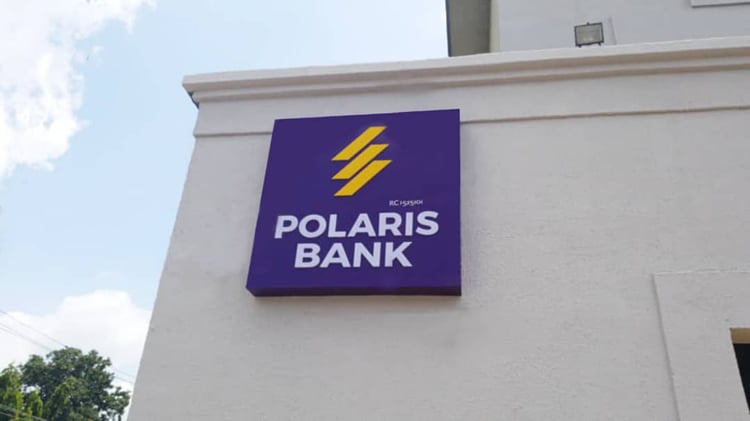
Polaris Bank has announced its partnership with the Central Bank of Nigeria for the 2026 Global Money Week campaign themed “Smart Money Talks.”
The initiative, which runs from 7 April to 30 April 2026, is designed to bridge the financial literacy gap among young Nigerians by equipping secondary school students with the knowledge needed to navigate an increasingly complex digital economy.
Speaking during the launch, the bank’s leadership emphasised the importance of early financial education in shaping responsible money habits.
“Building a financially smart future starts with equipping young people with the right knowledge today. As conversations around money become more complex in a fast-evolving digital world, our participation in Global Money Week reflects our commitment to empowering the next generation with practical skills that shape long-term economic wellbeing,” the bank stated.
According to a statement released on Thursday, the 2026 campaign builds on the success of last year’s programme, where Polaris Bank reached 3,372 students across 35 secondary schools in 36 states.
This year, the bank plans to expand its outreach in collaboration with the Central Bank of Nigeria’s Financial Literacy Secretariat. The initiative will include educational sessions in secondary schools across states where Polaris Bank operates branches.
The sessions will provide students and young adults with practical insights into key financial topics such as saving, budgeting, responsible use of financial products, digital financial services, and entrepreneurship.
A representative from the CBN Financial Literacy Secretariat highlighted the importance of introducing financial education early in life.
“At the Central Bank, we believe that early education is critical to helping young people distinguish between impulse and intention. By taking these conversations into schools, we are supporting a national mandate to develop a generation that is more financially aware and capable of making smart choices,” the representative said.
With technology and peer influence increasingly shaping spending patterns among young people, Polaris Bank believes financial literacy should be treated as a vital life skill rather than a luxury.
The bank noted that empowering young people with financial knowledge helps them understand the difference between trends and responsible financial decisions.
“For Polaris Bank, this goes beyond a statutory obligation,” the bank added. “It is about fostering a culture where young people are confident in money matters, helping them grow into financially active adults who can contribute meaningfully to the Nigerian economy.”
The programme also aligns with broader national goals aimed at promoting human capital development and financial inclusion as key drivers of sustainable economic growth.
As Global Money Week activities continue through the end of April, Polaris Bank reaffirmed its commitment to initiatives that create lasting impact, strengthen communities, and empower individuals through knowledge-driven engagement.