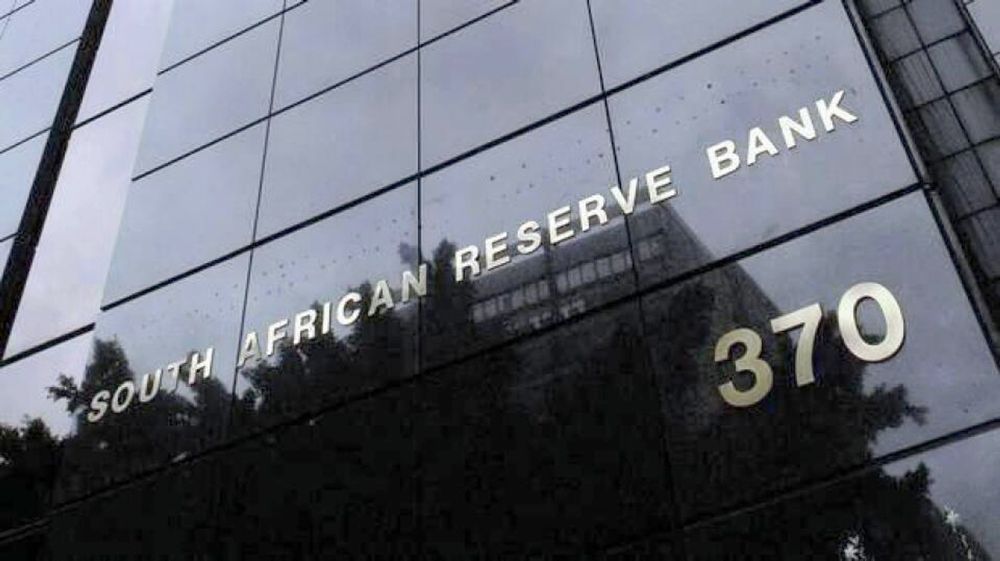
South Africa’s central bank is considering scrapping the country’s prime lending rate as early as next year, aiming to make its main monetary policy rate the standard reference point in financial contracts, according to a discussion paper released by the South African Reserve Bank (SARB).
The paper noted that the prime lending rate’s role had become “largely administrative and detached from its original purpose.” Since 2001, the prime rate has been fixed at 350 basis points above the SARB’s policy rate, creating a widespread misconception that it was the base for loan pricing. In reality, lending rates are largely determined by bank funding costs and risk appetite.
“The central bank prefers that the use of the Prime Lending Rate as a reference rate ceases. Instead, it should be replaced with the policy rate,” the paper stated.
Currently, the prime lending rate stands at 10.25%, while the repo rate is 6.75%. Officials say the shift would create a clearer link between monetary policy decisions and lending rates, making it easier for consumers to understand how banks price loans.
However, the transition requires careful planning, as more than 3.2 trillion rand ($199.5 billion) of contracts are tied to the prime rate. SARB estimates that moving away from it should be done no earlier than 2027.