Tanzania plans to sign, before June 2026, the agreement governing the restart of the long-stalled Tanzania Liquefied Natural Gas (LNG) project, signalling renewed momentum behind what would be the country’s largest-ever investment.
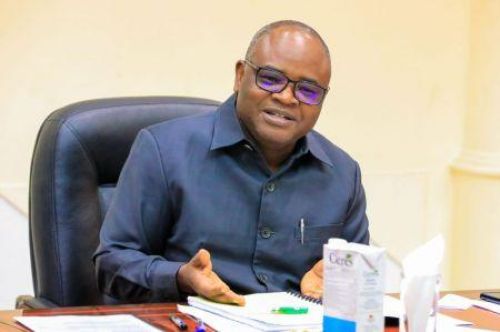
The Minister of State for Planning and Investment, Kitila Mkumbo, announced the timeline in London, confirming that commercial negotiations among stakeholders have been concluded, with only legal issues left to finalise.
The Tanzania LNG project carries an estimated cost of $42bn and aims to monetise more than 47.13 trillion cubic feet of offshore natural gas. It is being developed by a consortium led by Equinor and Shell, with ExxonMobil, Pavilion Energy, Medco Energi, and state-owned Tanzania Petroleum Development Corporation (TPDC) also participating.
Negotiations have focused largely on the legal and fiscal framework of the project, particularly the terms of the Host Government Agreement (HGA). Although commercial terms were agreed, the project stalled after the government proposed changes to a financial agreement concluded in 2023, preventing the partners from reaching a Final Investment Decision (FID).
Authorities estimate that once approved, gas production could begin in about eight years. The project is also expected to generate over 100,000 direct and indirect jobs, making it a cornerstone of Tanzania’s long-term economic strategy.
The renewed push reflects a broader policy shift under President Samia Suluhu Hassan. Under her predecessor, the late President John Magufuli, Tanzania adopted a more nationalist economic stance marked by forced contract renegotiations, higher taxation, and challenges to international arbitration. That approach slowed gas negotiations and dampened investor confidence, leading Equinor to record a write-down of about $1bn on the LNG project.
Since 2022, the government has worked to rebuild trust with international investors by reducing the risk of unilateral contract changes and promoting a more predictable regulatory environment. At the same time, global energy dynamics have strengthened the project’s appeal, with the war in Ukraine and shifting gas supply chains increasing demand for new LNG export hubs, particularly in East Africa alongside Mozambique.
While the anticipated signing before June 2026 would represent a major political milestone, it would not guarantee immediate project execution. The consortium must still secure an FID, arrange financing, and manage logistical and security risks—challenges underscored by delays at neighbouring LNG projects in Mozambique.
For Tanzania, the project’s revival serves a dual objective: attracting long-term foreign capital while ensuring tangible domestic benefits, including job creation and gas supply for the local energy market.