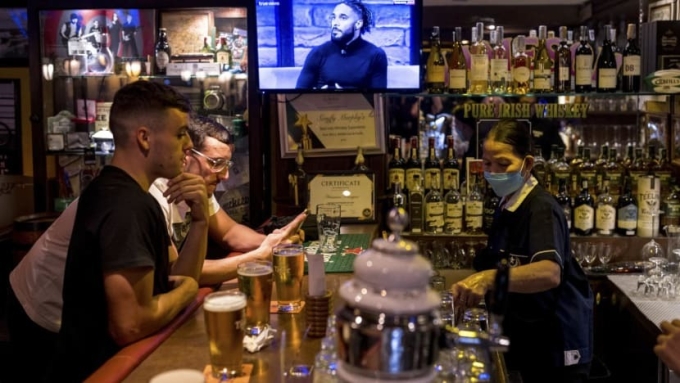
Thailand has officially relaxed its decades-old alcohol sales restrictions, allowing the purchase of beer, wine, and spirits during previously prohibited afternoon hours as part of a six-month nationwide trial.
Under the new arrangement, liquor stores, bars, and other alcohol vendors are now permitted to sell from 11:00 am to midnight, replacing the long-standing ban on sales between 2:00 pm and 5:00 pm. The eased rules took effect on Wednesday, following approval by government authorities.
The afternoon sales restriction was originally introduced to prevent government workers from sneaking out of offices to drink during working hours. However, officials now say the rule no longer reflects modern work culture.
“In the past, there were concerns that government employees would sneak out to drink, but it’s a different time now,” Deputy Prime Minister Sophon Saram told reporters last month.
Health Minister Pattana Promphat also defended the policy shift, describing it as “appropriate to the present situation,” according to a statement published on Tuesday in the Royal Gazette.
Despite its global reputation as a tourism and nightlife hotspot, Thailand still enforces some of Asia’s most restrictive alcohol rules. Sales remain banned on religious holidays, reflecting the country’s predominantly Buddhist values that view alcohol consumption as a moral transgression.
The trial is being closely monitored due to Thailand’s already high alcohol consumption levels. The World Health Organization (WHO) ranks Thailand among the highest alcohol-consuming countries in Asia. Popular local brands such as Chang, Singha, and Leo dominate the market.
Road safety remains a major concern. Thailand ranked 16th out of nearly 200 countries for road traffic deaths per capita in 2021, according to WHO data. Public health ministry figures also reveal that nearly 33,000 people were killed in drunk-driving incidents between 2019 and 2023.
Authorities say a government committee will assess the social, economic, and public safety impacts of the relaxed sales hours before deciding whether to make the policy permanent.