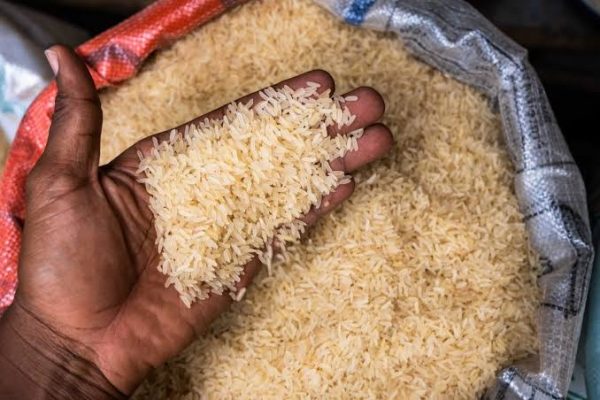
A Federal Government–backed agribusiness policy committee has recommended the formal closure of existing rice import windows, citing easing food inflation and indications that Nigeria’s current rice surplus is largely driven by high import volumes rather than increased domestic production capacity.
The recommendation comes amid data showing that Nigerians spent over N1 trillion importing an estimated 2.4 million metric tonnes of rice, raising renewed concerns over foreign exchange leakage and the long-term sustainability of local rice farming.
Using global benchmark prices published by S&P Global Platts, the volume of rice imported into Nigeria in 2025 suggests a significant foreign exchange outflow. Although the figures are indicative estimates and do not represent the actual landed cost of imports, they provide insight into the scale of the expenditure.
At Thailand’s assessed price of approximately $370 per tonne for five per cent broken white rice, importing 2.4 million metric tonnes would amount to about $888 million. When converted at the Central Bank of Nigeria’s Nigerian Foreign Exchange Market (NFEM) rate of N1,418.95 to the dollar as of January 26, the total value comes to roughly N1.26 trillion.
Platts data also showed that Indian five per cent broken white rice was trading lower at about $347 per tonne, making it the cheapest option among major Asian exporters at the time. Based on this price, the same import volume of 2.4 million metric tonnes would be valued at an estimated $832.8 million, equivalent to around N1.18 trillion at the prevailing exchange rate.
Members of the policy committee argued that continued access to rice import windows undermines domestic producers, discourages investment in local milling and cultivation, and weakens the impact of government interventions aimed at boosting self-sufficiency.
They noted that while food inflation has shown signs of moderation, the apparent surplus in the rice market is being sustained largely by imports rather than a structural improvement in Nigeria’s production base, a trend they say is unsustainable in the long run.
The committee urged the government to align trade policy with agricultural development goals by tightening import controls, strengthening support for local farmers, and improving productivity across the rice value chain to reduce dependence on foreign supply.