Independent Petroleum Marketers Association of Nigeria has raised alarms over the financial strain caused by soaring petrol prices in Nigeria, attributing the spike to rising global crude oil prices amid the ongoing conflict involving the United States, Iran, and Israel.
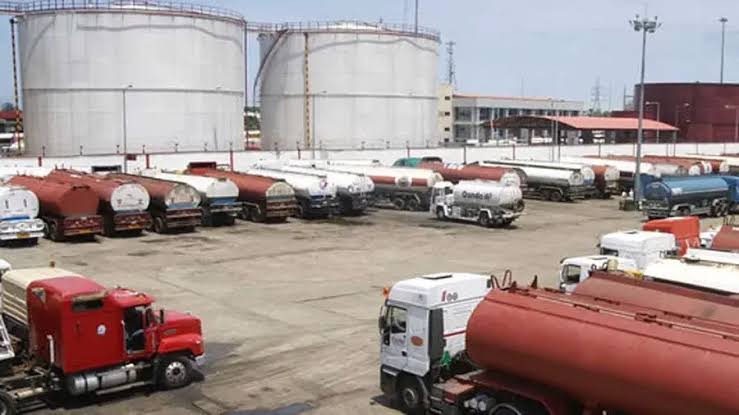
Oil marketers report that the cost of a truckload of petroleum products has risen from around N50 million to N60–70 million, forcing many operators to rely heavily on high-interest bank loans. The increased financial burden, combined with decreased customer demand, is impacting profitability across the sector.
“Demand has dropped drastically. Customers who used to buy 20,000 or 10,000 litres now purchase only 2,000 or 1,000 litres,” said Chinedu Ukadike in an interview with Nairametrics. He added, “The turnover is high but dividends are low. There is no stability, and we are still borrowing from banks to meet demand.”
Another marketer, Anwalu Ahmed, explained that petrol prices are determined by replacement costs, exchange rate fluctuations, and international crude prices. “If the next cargo costs significantly more, marketers adjust prices to avoid selling at a loss,” he said.
The downstream sector’s volatility has pushed petrol prices from an average of N839 per litre to over N1,230 per litre in recent weeks. Analysts warn that continued price hikes could further strain supply chains and increase the cost of living for Nigerian citizens.
Labour groups have also expressed concern. Nigeria Labour Congress has called on the Federal Government to take urgent action to mitigate the impact of rising fuel prices, which have driven transportation costs, food prices, and the overall cost of living higher. NLC President Joe Ajaero urged the government to implement relief measures to cushion vulnerable citizens and workers.
The situation highlights the broader economic impact of global geopolitical tensions on Nigeria’s energy sector and domestic market stability.