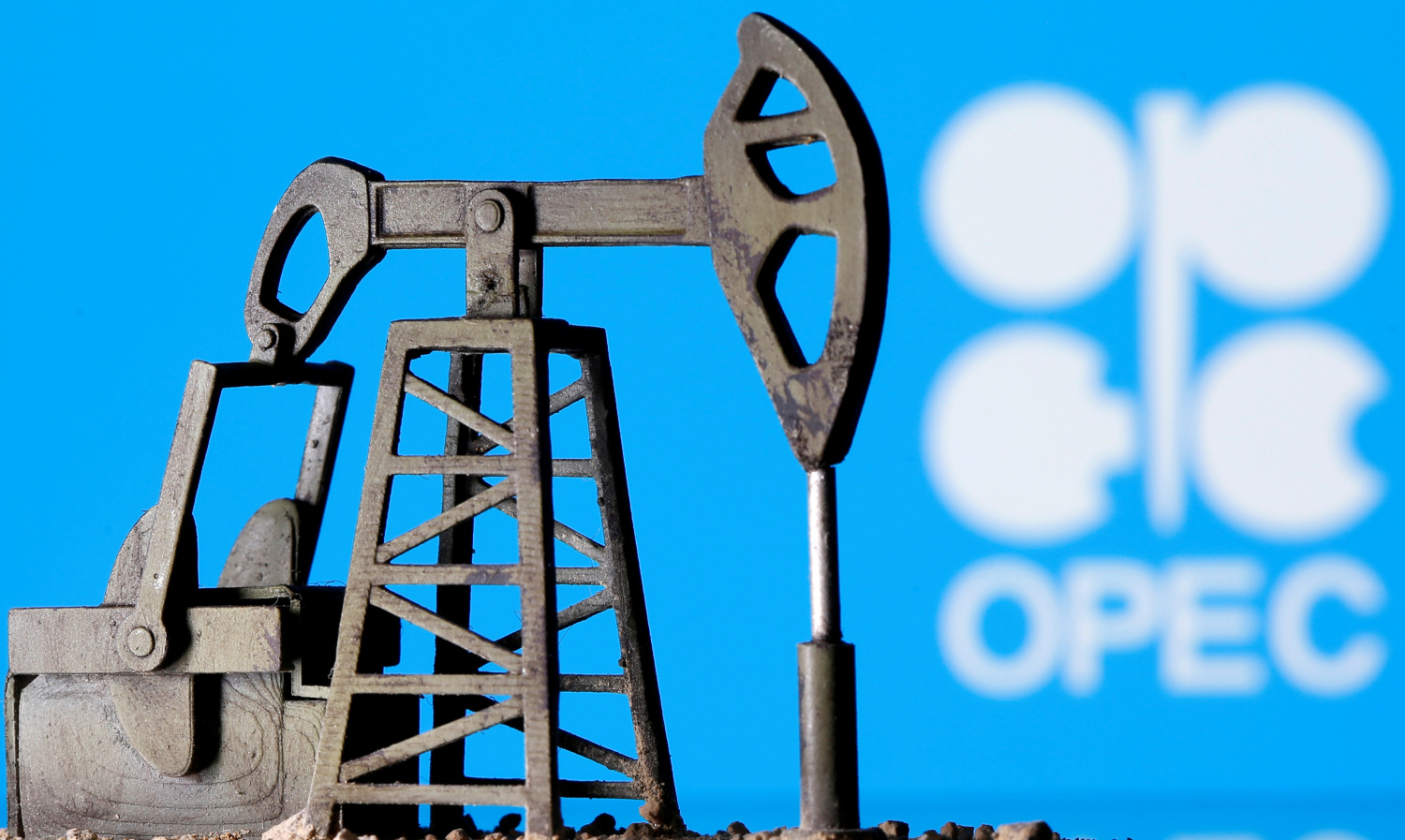
Key members of OPEC+ are planning to continue a series of gradual oil production quota increases in the coming months, aiming to fully restore a previously suspended layer of output by the end of September, according to a Bloomberg report.
The alliance, led by Saudi Arabia and Russia, has already reinstated about two-thirds of a 1.65 million barrels-per-day production cut introduced in 2023.
Further quota increases are expected to be implemented in three additional monthly tranches as part of the phased supply restoration plan.
However, actual output gains remain limited due to ongoing geopolitical disruptions linked to conflict involving Iran and instability affecting key Middle Eastern shipping routes, including the Strait of Hormuz.
Delegates cited by Bloomberg noted that while production quotas are being adjusted upward, several member countries are unable to meet revised targets due to security risks and infrastructure constraints.
The group’s next policy meeting is scheduled for June 7, where July production levels will be reviewed.
OPEC+ had previously cut 1.65 million barrels per day in 2023 as part of efforts to stabilise global oil prices during periods of oversupply.
Despite the gradual easing of cuts, recent quota increases have largely been described as “theoretical,” as some producers are unable to fully ramp up output.
Before the latest adjustments, eight key OPEC+ members had already begun restoring production gradually.
The United Arab Emirates has since exited OPEC+, reducing the effective scale of the original agreement, while other members continue to adjust output strategies.
A modest increase of 188,000 barrels per day was approved for June during the group’s May 3 meeting.
Production challenges remain widespread across several member states.
Saudi Arabia’s output reportedly fell to around 6.3 million barrels per day in April, its lowest level since 1990.
Kuwait and Iraq have also experienced significant declines, while the United Arab Emirates continues to adjust its production posture outside the group.
Despite these disruptions, OPEC+ continues to refine its long-term production strategy, including a review of member capacity levels that will guide quota decisions into 2027.
The group currently accounts for roughly 40 per cent of global crude oil production, though its influence has gradually declined over time.
Analysts say the latest moves reflect a fragile balance between stabilising oil prices and navigating persistent geopolitical risks in global energy markets.