Several African countries, including South Africa, have approached the Dangote Petroleum Refinery to secure fuel supplies following disruptions linked to tensions involving Iran, according to a report by Bloomberg.
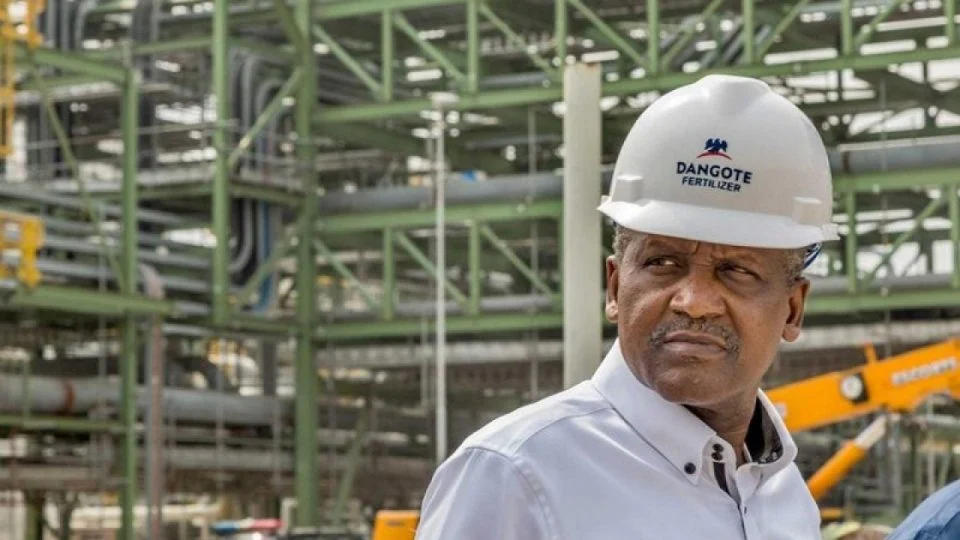
The 650,000-barrels-per-day refinery, owned by Nigerian billionaire Aliko Dangote, has reportedly received multiple inquiries from governments seeking alternative fuel sources.
Among the countries making requests, South Africa is said to be pursuing a 12-month supply agreement. Meanwhile, Ghana and Kenya have also reached out to the refinery as they explore ways to secure stable fuel supplies.
The development comes as the ongoing Middle East crisis continues to disrupt global fuel supply chains. These disruptions are raising concerns across several regions, particularly in Africa.
According to energy consultancy CITAC, eastern and southern Africa could face the most significant impact. The regions depend heavily on imports, with about 75 percent of refined fuel sourced from the Middle East.
In response, South African authorities said they are engaging stakeholders to diversify supply sources.
“The government is actively coordinating with industry stakeholders to secure both crude oil and refined petroleum products from a diversified range of sources,” officials said, adding that a comprehensive plan is in place to manage potential risks.
Speaking on the situation, Dangote noted that availability of fuel has now become a bigger concern than pricing.
“I think the situation will continue for a while,” he said in an interview with The Economist.
Despite the growing concerns, South Africa has reassured citizens that it currently has sufficient fuel reserves to last for the coming weeks. Kenya has also indicated that there is no immediate threat of shortages.
Industry data shows that Africa’s dependence on imported fuel has increased in recent years due to declining refining capacity in several countries. This trend has made the continent more vulnerable to external supply shocks.
The Dangote refinery is expected to play a critical role in easing supply pressures across the continent. However, about 75 percent of its output is reserved for domestic consumption, leaving a smaller portion available for export.