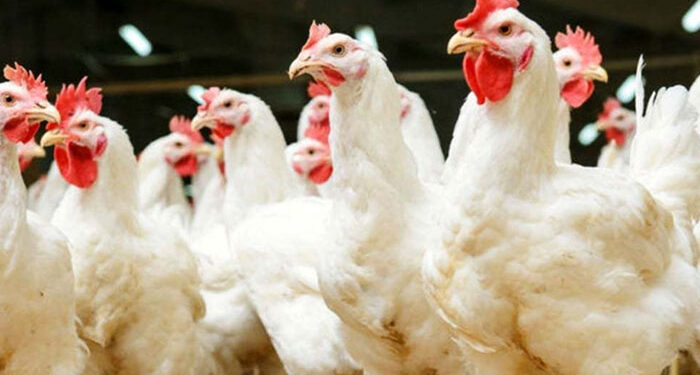
The Federal Government has introduced a new chicken breed and 57 crop varieties as part of efforts to boost food security, increase agricultural production, and improve the nutritional well-being of Nigerians.
The development was disclosed by the Chairman of the National Variety Release Committee, Prof. Soji Olufajo, during a stakeholders’ meeting in Ibadan, according to the News Agency of Nigeria.
The initiative forms part of ongoing government efforts to enhance agricultural productivity through improved inputs and innovation across the farming sector.
According to Olufajo, the newly approved livestock and crop varieties are expected to improve yields, strengthen resilience to changing climate conditions, and provide farmers with more productive agricultural options.
He explained that the approvals followed recommendations from two technical sub-committees responsible for evaluating crop varieties and livestock breeds before final clearance by the National Variety Release Committee.
The new chicken breed, known as Moorbeta, was specifically developed to perform effectively under Nigeria’s climatic conditions.
“The Federal Government has introduced a newly developed chicken breed and 57 crop varieties to boost meat availability, enhance food security and improve Nigerians’ nutritional well-being,” the NAN report stated.
The approved crop varieties were selected based on key attributes such as early maturity, higher yields, resistance to pests and diseases, and adaptability to both dry and rainy conditions.
The move builds on a series of similar interventions introduced by the Federal Government in recent years to strengthen agricultural output.
In November 2024, the government unveiled two chicken breeds — Noiler chicken and Cobb 500 chicken — alongside 14 high-yield crop varieties aimed at improving food production.
Similarly, in June 2025, authorities approved 15 hybrid crop varieties, including upland rice varieties Faro 64 rice and Faro 65 rice, as well as new maize, tomato, cowpea, and wheat varieties.
Some of the newly introduced tomato hybrids, such as KILELE tomato hybrid, were recognised for their high yield, firm fruits, and resistance to diseases including Fusarium wilt and late blight.
Nigeria is projected to face worsening food security challenges in 2026, with millions of citizens at risk of acute food shortages, underscoring the importance of sustained government intervention in the sector.
According to the PwC Nigeria Economic Outlook 2026 report, as many as 34.7 million Nigerians could face acute food insecurity if urgent measures are not sustained.
In response, the Federal Government has continued to introduce initiatives aimed at improving agricultural productivity and strengthening the country’s food system.
In October 2025, the government launched the Livestock Development Policy to improve feed systems, increase livestock productivity, and expand access to protein-rich foods.
Agricultural education reforms were also introduced to reposition the sector and create employment opportunities for young Nigerians.
Together, these policies and interventions reflect a broader strategy by the Federal Government to address the looming food security crisis by improving productivity, strengthening supply chains, and expanding access to nutritious food across the country.