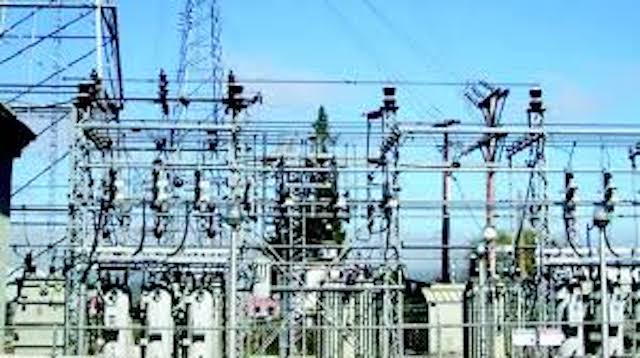
The Federal Government of Nigeria is targeting the connection of 5.2 million Nigerians to electricity by June 2026 under a $750m intervention backed by the World Bank to expand access through renewable energy solutions.
This was disclosed in the latest Implementation Status and Results Report of the World Bank on the Nigeria Distributed Access through Renewable Energy Scale-up Project obtained from the bank’s website.
The report stated that the programme, also known as DARES, is progressing steadily with key milestones already achieved in improving electricity access nationwide.
According to the report, “The DARES programme implementation is in progress, with 9 per cent of total programme financing of $750m disbursed,” adding that “about $422.2m out of the total programme funds is fully committed.”
The bank noted that the initiative has already delivered electricity access to millions of Nigerians and remains on track to meet its near-term targets.
“To date, over 3.6 million people have been provided with access to electricity… The project is on track to connect 5.2 million people to electricity by June 2026,” the report stated.
It added that the June 2026 milestone will surpass the earlier projection under Mission 300, which targeted electricity access for 3.2 million people by the end of the financial year.
The project, approved in December 2023, is designed to boost electricity supply to households and Micro, Small and Medium Enterprises through private-sector-led distributed renewable energy systems.
According to the bank, the project development objective is to increase electricity access through decentralised renewable energy generation driven by private-sector participation.
Key components of the programme include solar hybrid mini-grids, standalone solar systems for homes and businesses, and technical assistance aimed at strengthening implementation capacity.
The report shows measurable progress across several indicators. As of March 2026, more than 3.6 million people had already gained access to electricity under the programme, with a long-term target of connecting over 16 million people by 2028.
Renewable energy capacity under the project has also increased to 38.76 megawatts as of March 2026, with an overall target of 465 megawatts by the end of the programme.
Additionally, thousands of households and businesses have been connected through solar home systems and mini-grid solutions, while efforts continue to mobilise private-sector investment and improve regulatory frameworks.
Despite the progress recorded, the World Bank maintained that the overall project risk remains “substantial,” citing macroeconomic conditions, governance issues, and institutional capacity constraints as potential challenges.
The project is expected to run until December 2028 and is financed through multiple funding windows under the International Development Association.
Nigeria frequently relies on concessional financing from multilateral lenders to support development and infrastructure programmes. Data from the Debt Management Office shows that the country’s exposure to the World Bank Group stood at $19.54bn as of September 30, 2025.
The figure includes $18.18bn owed to the International Development Association and $1.36bn to the International Bank for Reconstruction and Development.
This represents about 40.34 per cent of Nigeria’s total external debt stock of $48.46bn, underscoring the World Bank Group’s dominant position among the country’s international creditors.