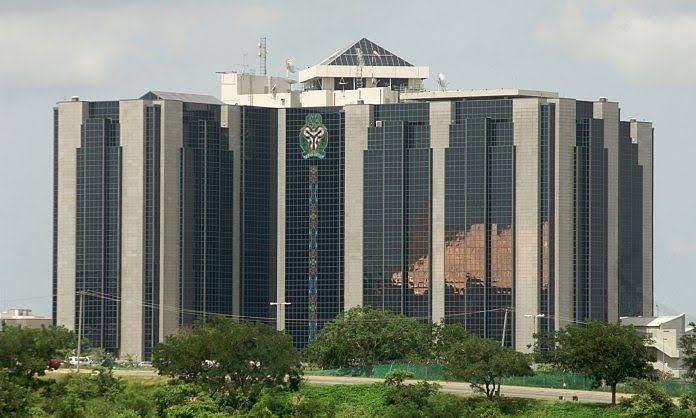
The Central Bank of Nigeria has launched a pilot program to supervise Anti-Money Laundering (AML), Counter-Financing of Terrorism (CFT), and Counter-Proliferation Financing (CPF) activities among Virtual Asset Service Providers (VASPs), including Flutterwave and Paystack.
Announced in a March 31, 2026 statement, the initiative is aimed at enhancing the integrity and stability of Nigeria’s financial system, particularly in the rapidly growing virtual asset sector. It aligns with the Money Laundering (Prevention and Prohibition) Act 2022, the CBN Act, and the Banks and Other Financial Institutions Act (BOFIA) 2020.
The pilot is designed as a risk-based supervisory program to improve VASPs’ understanding of AML, CFT, and CPF risks, strengthen operational frameworks, and ensure compliance with the Financial Action Task Force (FATF) Recommendations 15 and 16, which cover the Travel Rule and proliferation-financing controls.
“This pilot does not alter, replace, or supersede the existing regulatory framework governing virtual assets in Nigeria or the mandates of other competent authorities,” the CBN stated.
The development follows the CBN’s introduction of the Cybersecurity Self-Assessment Tool (CSAT) earlier in March, aimed at assessing and improving the cybersecurity frameworks of regulated financial institutions. The CSAT provides detailed insights on risk management, incident response strategies, and third-party technology controls, strengthening supervisory oversight of Nigeria’s banking sector against cyber threats.
Additionally, new technology-driven regulations introduced by the CBN require banks and other financial institutions to implement automated anti-money laundering systems, ensuring more robust monitoring and detection of suspicious transactions.
Through these initiatives, the CBN seeks to modernize financial supervision, mitigate financial crime risks, and support compliance in Nigeria’s increasingly digital financial ecosystem.