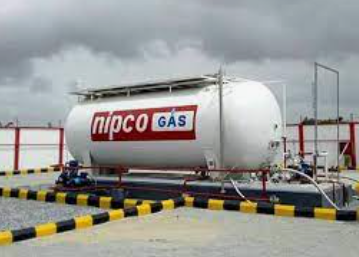
NIPCO Gas Limited has unveiled two compressed natural gas (CNG) stations in Asaba and Warri, Delta State, as part of efforts to expand access to cleaner and more affordable fuel across Nigeria.
The company said the development strengthens its role in promoting the adoption of gas-powered mobility while supporting the country’s transition to cleaner energy sources.
Speaking at the unveiling, Delta State Governor Sheriff Oborevwori, represented by the Secretary to the State Government, Kingsley Emu, said the initiative responds directly to the economic realities faced by Nigerians following the removal of fuel subsidies.
According to him, the new facilities will offer motorists and commercial transport operators a more cost-effective alternative to petrol.
He noted that the adoption of CNG could help ease financial pressure on households and transport operators by reducing fuel expenses.
The governor also pledged the state government’s continued support for investments in CNG infrastructure, including conversion workshops and technical training programmes to build local capacity and ensure sustainability.
Delta State Commissioner for Transport, Onoriode Agofure, described the project as a major boost for the state’s transport sector.
He explained that the affordability and efficiency of compressed natural gas could significantly lower operational costs for commercial drivers.
Agofure added that the shift to CNG is expected to lead to reduced transport fares for commuters over time and improved profitability for logistics and transport businesses.
“Delta State is proud to be at the forefront of this energy transition. We will work with all stakeholders to ensure our people maximise the benefits,” he said.
Speaking on behalf of NIPCO Gas Limited, the Chief Operating Officer, Sanjay Tarat, reaffirmed the company’s long-term commitment to Nigeria’s gas-based economy.
Tarat said the company’s ongoing investments in CNG infrastructure are aimed at strengthening national energy security and reducing reliance on imported fuels.
He also emphasised the environmental benefits of the initiative, noting that cleaner fuel alternatives can help reduce emissions and improve air quality.
“These stations are not just fuel points. They are enablers of economic activity, cleaner cities, and inclusive growth,” Tarat said.
The rollout of additional CNG stations across the country is expected to support Nigeria’s broader energy transition agenda and encourage the adoption of cleaner, more sustainable transport solutions.