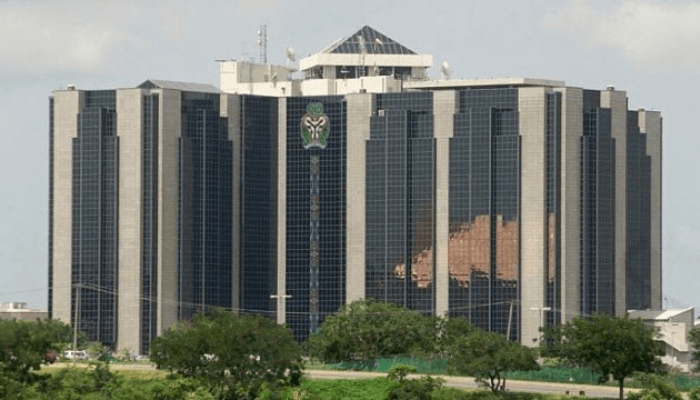
Nigeria’s monetary authorities significantly intensified money market interventions in the first quarter of 2026, as the Central Bank of Nigeria (CBN) increased its Open Market Operations (OMO) sales to N18.79 trillion.
Latest financial data released by the apex bank show that the figure represents a 426 per cent increase compared with N3.57 trillion recorded in the same period of 2025. The sharp rise signals a more aggressive approach to liquidity management amid persistent inflationary pressures and exchange rate volatility.
Despite the surge in issuances, overall liquidity tightening was moderated by a significant rise in repayments. OMO repayments jumped to N16.98 trillion in Q1 2026, up from N1.56 trillion recorded in the corresponding period of the previous year.
As a result, net OMO sales declined to N1.81 trillion from N2.01 trillion in the first quarter of 2025, indicating a slightly less aggressive net withdrawal of liquidity from the financial system.
The data point to a shift in the CBN’s operational strategy. Instead of relying solely on net liquidity tightening, the bank appears to be deploying a more dynamic approach that involves large issuances alongside sizeable maturities flowing back into the system.
Monthly figures reveal notable volatility during the quarter. January recorded the highest level of activity, with OMO sales reaching N8.54 trillion and repayments standing at N5.63 trillion. February saw repayments exceed new sales, while March ended with a net liquidity withdrawal of about N1.97 trillion.
Analysts say the pattern reflects the central bank’s effort to actively calibrate market liquidity in response to shifting macroeconomic conditions.
The intensified use of OMO bills has occurred alongside strong issuance of Treasury Bills, highlighting the dual role of Nigeria’s short-term debt instruments in managing both monetary policy and fiscal financing needs.
While Treasury Bills are primarily issued to fund government deficits, OMO bills are deployed by the CBN to regulate liquidity levels and control inflation within the banking system.
Nigeria’s 2026 federal budget carries a deficit of about N20.12 trillion, with more than 70 per cent expected to be financed through domestic borrowing. The heavy reliance on the local debt market has contributed to elevated yields across short-term instruments.
Higher interest rates are raising borrowing costs for the government and private sector alike, raising concerns about the potential crowding out of private credit and increased refinancing risks.
With liquidity conditions fluctuating and yields remaining high, market participants are closely monitoring the CBN’s policy direction. The pace of OMO issuance and repayments is expected to remain a key indicator of how authorities manage inflation risks, exchange rate stability, and investor confidence in the months ahead.