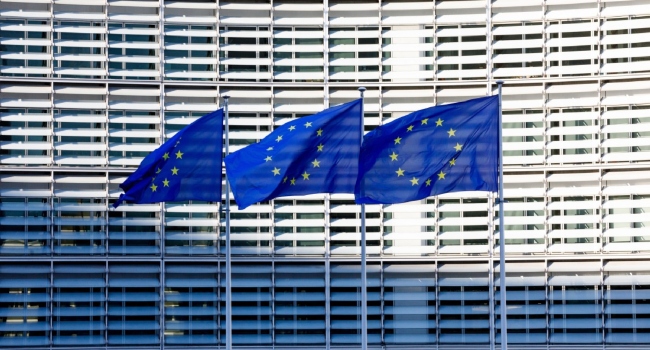
The European Union (EU) has temporarily relaxed its state aid rules to allow member states to inject public funds into sectors hit hardest by surging energy costs, as oil and gas prices continue to rise amid geopolitical tensions.
The announcement was made on Wednesday by the European Commission in Brussels, following sharp increases in global energy prices linked to the ongoing US-Israeli conflict with Iran, which began earlier this year and has disrupted global supply chains.
EU Competition Commissioner Teresa Ribera said the move was necessary to provide “immediate answers” to businesses and citizens affected by rising costs.
“The impact on our citizens and companies demands immediate answers. They need to be proportionate, they need to be effective,” she said, adding that the new framework responds to calls from member states for stronger and more flexible support.
Under the revised rules, countries in the bloc can now provide targeted assistance to energy-intensive sectors such as farming, fishing, and transport, particularly those reliant on imported fuel and fertilisers.
A simplified scheme will also allow governments to grant up to €50,000 ($58,500) to eligible beneficiaries without requiring detailed documentation of fuel consumption, easing access to emergency relief.
The European Commission said the goal is to help small farmers manage rising input costs while also enabling transport operators to offset higher diesel prices.
The temporary measures will remain in place until December 31, 2026, although officials stressed they will be reviewed regularly depending on energy market conditions and developments in the Middle East.
Several EU countries, including France, Germany, and Italy, have already introduced national support packages to help households and businesses cope with elevated energy prices.
The policy shift reflects growing concern in Europe over inflationary pressures and the economic impact of prolonged energy volatility, particularly on agriculture and transport sectors.