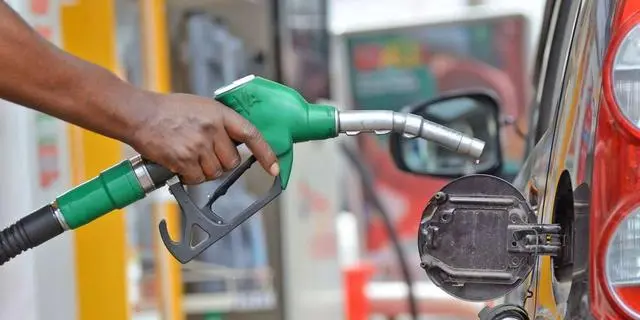
Nigeria recorded a sharp increase in fuel prices in March 2026, with both petrol and diesel costs rising significantly, intensifying inflationary pressure across the economy.
According to the latest reports from the National Bureau of Statistics, the average price of Premium Motor Spirit (petrol) rose to N1,288.54 per litre, while diesel climbed to N1,648.08 per litre during the month under review.
The data shows that petrol prices jumped by 22.55% on a month-on-month basis. However, the year-on-year increase was more moderate at 2.13%, compared to N1,261.65 recorded in March 2025.
Diesel prices also maintained an upward trend, rising from N1,420.17 per litre in February to N1,648.08 in March. This represents a 16.05% monthly increase and a 3.05% rise compared to the same period last year.
The surge in fuel costs underscores persistent energy-related inflation, with higher transportation and logistics expenses feeding into the cost of goods and services nationwide.
State-level data reveals wide disparities in pricing. Anambra recorded the highest average petrol price at N1,441.22 per litre, followed by Sokoto and Borno. In contrast, Lagos posted the lowest average price at N1,162.71, with Ogun and Kaduna also among the least expensive.
Diesel prices showed similar variations. Ebonyi recorded the highest average price at N2,262.29 per litre, followed by Akwa Ibom and Osun. Kogi had the lowest diesel price, with Katsina and Enugu also ranking among the more affordable states.
Regional analysis highlights further imbalances. The North-East recorded the highest average petrol price at N1,336.50 per litre, while the South-West had the lowest at N1,232.46. For diesel, the South-East recorded the highest regional average, while the North-Central zone posted the lowest.
Analysts attribute the variations to logistics challenges, distance from supply depots, infrastructure gaps, and differences in distribution efficiency across states.
The impact is already being felt by consumers. In the Federal Capital Territory, residents have reported a sharp increase in transport fares following the rise in petrol prices. Fuel, previously sold between N835 and N875 per litre, now ranges from N1,200 to N1,350, prompting commercial transport operators to adjust fares accordingly.
The Nigerian Midstream and Downstream Petroleum Regulatory Authority has maintained that the fluctuations in pump prices reflect market realities under the country’s deregulated downstream petroleum sector.
As Nigeria continues to navigate fuel market reforms, the rising cost of energy remains a key driver of inflation, with implications for household spending and business operations across the country.