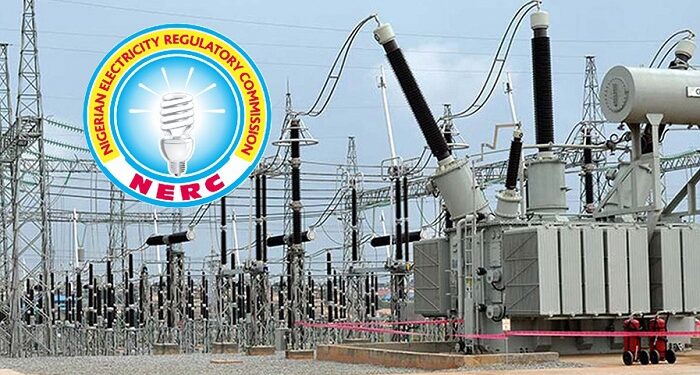
Electricity distribution companies (DisCos) in Nigeria generated a total of N196 billion in revenue in February 2026, according to the Nigerian Electricity Regulatory Commission.
The figure was contained in the commission’s latest Commercial Performance of DisCos report, which shows a slight dip in revenue performance compared to January, alongside mixed operational outcomes across the power sector.
According to the report, DisCos collected N196 billion in February, down from N204.74 billion in January. Total billing also declined to N242.29 billion from N268.20 billion, representing a 9.66 percent month-on-month drop.
Despite the decline, collection efficiency remained relatively strong at 81.17 percent, indicating that a large portion of billed electricity charges was recovered.
Energy supply to the distribution companies also fell during the period, with total allocation dropping to 277.09 billion kilowatt-hours in February from 336.43 billion kilowatt-hours in January.
The average allowed tariff stood at N124.30 per kilowatt-hour, while the actual average collection rate was N100.27 per kilowatt-hour. Overall revenue recovery efficiency was recorded at 80.67 percent.
At the company level, performance varied significantly across operators. Eko DisCo recorded the highest recovery efficiency at 100.67 percent, followed by Abuja DisCo at 95.13 percent. Ikeja DisCo posted 85.83 percent, while Kaduna DisCo recorded the weakest performance at 41.20 percent. Ibadan and Jos DisCos recorded 64.21 percent and 66.29 percent respectively.
The data highlights ongoing structural and operational challenges within Nigeria’s electricity distribution network, particularly in revenue recovery and service delivery consistency across regions.
Earlier reports showed that DisCos generated N570.25 billion in the third quarter of 2025, reflecting gradual improvements in revenue performance, though persistent collection gaps remain a concern within the Nigerian Electricity Supply Industry (NESI).
The sector has also seen regulatory interventions, including directives requiring refunds under amended orders to be completed within 12 months and applied directly to customer electricity bills. In October 2025, the Federal Government also approved N28 billion under the Meter Acquisition Fund scheme to support prepaid meter deployment across the country.
Despite pockets of improvement, the latest figures suggest that Nigeria’s power distribution sector continues to face uneven performance and efficiency challenges across operators.