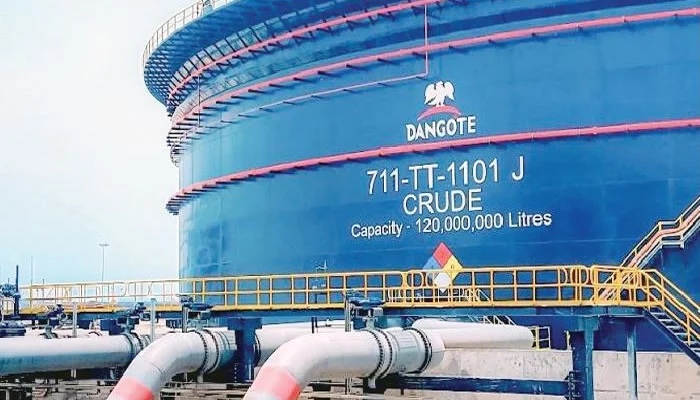
Dangote Petroleum Refinery & Petrochemicals FZE has filed a fresh lawsuit at the Federal High Court in Lagos seeking to overturn fuel import licences issued to the Nigerian National Petroleum Company Limited and other fuel marketers.
According to court documents cited by Reuters, the refinery is asking the court to nullify import permits granted or renewed by the Nigerian Midstream and Downstream Petroleum Regulatory Authority, arguing that the approvals violate an earlier court order maintaining the status quo in the dispute.
The company contends that the continued issuance of fuel import licences is inconsistent with Nigerian law, which it says only permits imports when domestic supply is insufficient.
It also argued that the permits threaten its operations at a time when it is expanding output from its multi-billion-dollar refining facility.
Fuel importers and marketers, however, have consistently maintained that imports remain necessary to ensure adequate supply and prevent shortages in the country.
This latest legal action revives a long-running dispute over fuel importation in Nigeria, despite growing domestic refining capacity.
In 2025, the refinery previously filed a similar suit challenging import licences issued to several companies, including the NNPC and private marketers, before later discontinuing the case.
Nigeria has historically relied heavily on imported petrol due to the poor performance of state-owned refineries over several decades. However, the emergence of the Lagos-based Dangote Group refinery has significantly altered the supply landscape.
Since beginning operations at scale, the refinery has become a major supplier of petrol, diesel, and other refined products, contributing to a sharp decline in imports.
Recent data from industry analysts show that petrol imports fell significantly in the first quarter of 2026, while output from local refineries rose sharply.
Domestic refineries accounted for more than three-quarters of Nigeria’s petrol supply during the period, compared to less than half a year earlier.
Aliko Dangote, president of the Dangote Group, has repeatedly said the refinery has sufficient capacity to meet Nigeria’s fuel demand and support exports across Africa.
He recently disclosed that multiple cargoes of refined products were exported to other African countries, highlighting the refinery’s growing regional presence.
The case is expected to further intensify debates around fuel importation, domestic refining capacity, and regulatory policy in Nigeria’s downstream petroleum sector.