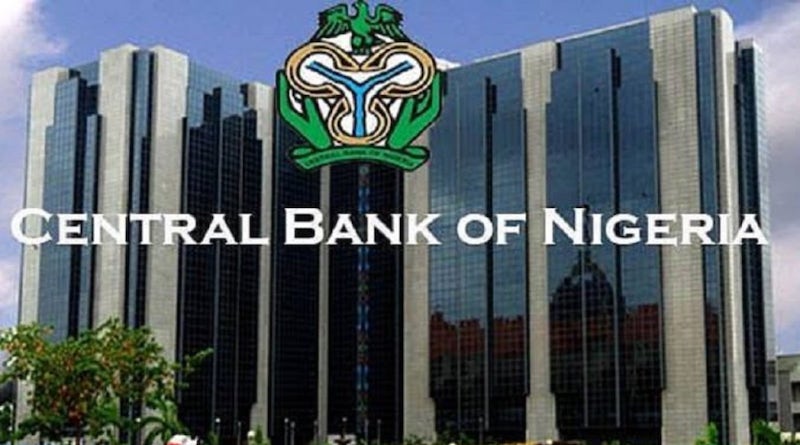
The Central Bank of Nigeria (CBN) has increased the maximum foreign exchange (FX) tuition fee remittance for Nigerian students studying abroad to $25,000 per semester, up from the previous limit of $15,000.
The adjustment is contained in the CBN Foreign Exchange (FX) Manual, 4th Edition, released on Wednesday as part of broader reforms aimed at improving transparency, liquidity, and confidence in Nigeria’s FX market.
The new policy applies to payments for undergraduate and postgraduate tuition fees processed through authorised dealer banks for eligible foreign institutions.
Under the previous framework, tuition remittances were capped at $15,000 per semester and limited to two semesters per academic session. The revised limit now allows up to $25,000 per semester, subject to compliance with documentation requirements.
According to the FX Manual, payments for tuition fees must follow structured procedures, with clear separation between tuition and maintenance allowances.
The document states: “Payment of tuition fees for undergraduate/postgraduate studies shall be subject to a maximum limit of USD25,000.00 per semester.”
Where tuition and maintenance fees are combined in a single invoice, payment is made directly to the educational institution. However, where maintenance is billed separately or students reside off-campus, a maximum of $5,000 per quarter is payable directly to the student.
The CBN clarified that primary and secondary education categories, including nursery, foundation, and A-level programmes, remain ineligible for FX remittances.
The 4th Edition of the FX Manual was unveiled in Abuja by CBN Governor Mr. Olayemi Cardoso and became effective on June 1, 2026.
The updated framework also introduces other FX market reforms, including an increase in allowable advance payment for imports from 15% to 30%, alongside measures to standardise FX processes and improve market transparency.
According to the apex bank, the changes are intended to streamline foreign exchange access, reduce operational bottlenecks, and strengthen investor confidence in Nigeria’s financial system.
For education-related remittances, applicants are required to submit Form ‘A’ alongside supporting documents such as admission letters, tuition schedules, international passport biodata pages, student identification cards, and academic certificates where applicable.
The CBN also revised rules governing Personal Travel Allowance (PTA) and Business Travel Allowance (BTA), allowing up to 25% of such allowances to be disbursed in cash, with the remaining 75% to be processed electronically.
Previously, PTA and BTA payments were fully conducted through electronic channels.
The apex bank said the overall policy updates are part of ongoing efforts to harmonise FX disbursement systems, improve efficiency, and reinforce confidence among market participants, corporates, and international stakeholders.