The Nigerian Upstream Petroleum Regulatory Commission (NUPRC) has secured presidential approval to commence the 2026 oil licensing round before the end of the year, marking another step in Nigeria’s efforts to attract investment and boost crude oil production.
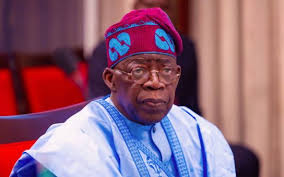
The commission disclosed that the exercise is expected to begin no later than the third quarter of 2026 following approval by President Bola Tinubu, who also serves as the Minister of Petroleum Resources.
The announcement was contained in a statement issued on Wednesday by the NUPRC Head of Media and Corporate Communications, Mr. Eniola Akinkuotu.
Speaking during a visit by Meren Energy, formerly known as Africa Oil, to the commission’s headquarters in Abuja, the Commission Chief Executive, Mrs. Oritsemeyiwa Eyesan, said preparations for the ongoing 2025 licensing round were already at an advanced stage.
She revealed that the commercial bid phase of the 2025 exercise would take place in July, paving the way for the launch of the next licensing cycle.
According to Eyesan, increasing investor participation in the current licensing round reflects growing confidence in Nigeria’s upstream petroleum sector.
She noted that recent improvements in crude oil production and investment inflows demonstrate the positive impact of ongoing reforms introduced by the Federal Government to enhance the industry’s competitiveness.
“We are also fortunate that the president and minister of petroleum resources have approved the 2026 licensing round. So, we are in the process of finalising the 2026 launch, which will happen latest by the third quarter. So, this is the make-or-break point, and we want to make sure we make it,” she said.
Eyesan stressed that the success of the 2025 bid round would provide a strong foundation for future upstream asset allocation and help sustain investor interest in the sector.
She added that maintaining transparency, regulatory certainty and investor confidence remains critical to achieving Nigeria’s production and investment objectives.
Meanwhile, Meren Energy reaffirmed its commitment to expanding its operations in Nigeria, describing the country as the cornerstone of its African investment portfolio.
The Group Chief Executive of Meren Energy, Dr. Oliver Quinn, highlighted the company’s long-standing presence in Nigeria and its contributions to the development of major offshore oil assets.
“We have operated in Agbami, Akpo and Egina, world-class fields. I think to date, in 20 years, about $11bn in capital from our side has gone into these assets, and about $4bn has gone to tax and royalties. Nigeria remains the core of our business today because of the quality of these assets,” Quinn said.
He explained that Nigeria continues to represent the company’s most important investment destination on the continent, citing recent policy reforms as a major factor behind its confidence in the market.
Quinn also stated that Meren Energy is actively exploring additional investment opportunities, including participation in future licensing rounds and strategic asset acquisitions.
The executive further disclosed that the company was the first producer to supply crude oil to the Dangote Petroleum Refinery, a milestone he said underscores its commitment to supporting domestic refining and energy security.
According to him, Meren Energy will continue to meet domestic crude supply obligations where commercially feasible while encouraging investment partners to increase production from existing assets.
“We will continue to support domestic crude supply obligations where commercially viable, while working with our partners to boost investment and increase production in line with Nigeria’s output targets,” he said.
The planned 2026 licensing round comes as Nigeria intensifies efforts to attract fresh capital into the upstream sector, increase crude oil production and maximise the value of its hydrocarbon resources amid changing global energy market dynamics.
Industry stakeholders view regular and transparent licensing rounds as essential to sustaining investment inflows, replenishing reserves and ensuring the long-term growth of Africa’s largest oil-producing economy.