Niger has increased its stake in the Madaouela uranium project to 40 per cent from 20 per cent, bringing an end to a long-running dispute with Australian developer Atomic Eagle over one of the country’s strategic mineral assets.
Under the new arrangement, Atomic Eagle will retain a 60 per cent interest, down from its previous 80 per cent position, and remain responsible for operational oversight.
The agreement effectively restores a partnership that broke down after Niger revoked the project’s mining permit in 2024.
Niger’s mining ministry said the government had chosen dialogue and negotiation to begin a new phase of partnership and development.
Dispute Followed 2024 Permit Revocation
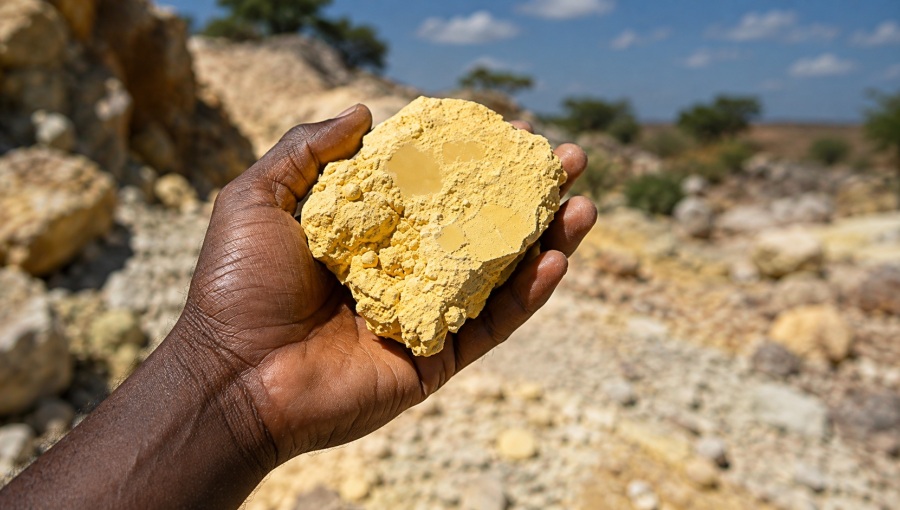
The Madaouela project is located in Niger’s Agadez region.
In 2016, the government awarded exploitation rights to GoviEx Uranium, which later became associated with Atomic Eagle.
Niamey revoked the permit in 2024 and returned the asset to state control, prompting the company to initiate international arbitration.
The two sides suspended arbitration proceedings in February 2025 while attempting to reach a negotiated settlement.
The new ownership structure leaves the state with twice its previous equity position.
Resource Control Reshapes Sahel Mining
The agreement comes amid broader changes to natural-resource policy across parts of the Sahel.
Military-led governments in the region have sought greater state participation in mining and a larger share of revenues generated from strategic mineral resources.
Uranium is particularly important to Niger’s mining industry and its international economic relationships.
Greater government ownership could increase the state’s share of future economic returns if Madaouela enters successful production.
However, increasing ownership does not by itself guarantee revenue.
Development will still depend on investment, technical execution, uranium-market conditions and the mine’s commercial viability.
For Atomic Eagle, the agreement provides a route back into a project it had lost through the 2024 permit withdrawal.
For Niger, it secures substantially greater state ownership while retaining a private operator.