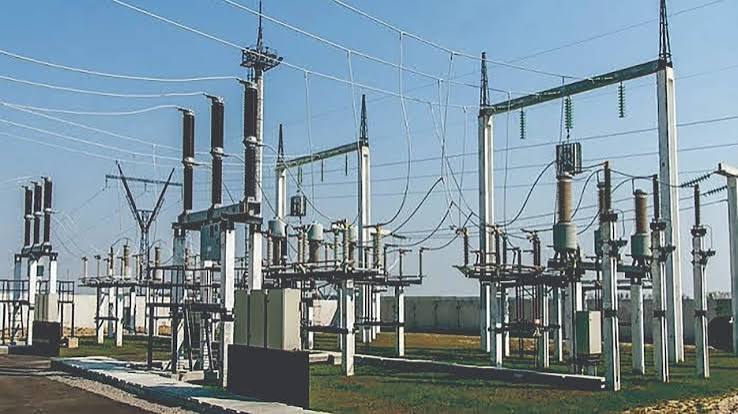
The Federal Government has renewed its commitment to improving electricity supply across Nigeria and addressing legacy debts owed to power generation companies as part of efforts to strengthen the financial sustainability of the country’s electricity industry.
The commitment comes amid longstanding concerns over inadequate power supply, financial constraints affecting electricity generation companies and the wider challenges confronting Nigeria’s power sector.
According to a report published by eBiz Spotlight on October 14, 2026, the government pledged to ensure stable electricity supply nationwide while moving to clear outstanding obligations to generation companies.
The development highlights the importance of resolving financial difficulties within the electricity value chain, particularly as households and businesses continue to depend heavily on alternative energy sources.
Legacy Debts Remain a Major Industry Challenge
Outstanding payments to power generation companies have remained a significant challenge within Nigeria’s electricity market.
Generation companies require predictable revenue to maintain their facilities, purchase necessary inputs, meet financing obligations and invest in additional generation capacity.
When payments are delayed or remain unsettled, operators may face cash-flow constraints that affect maintenance, investment planning and operational efficiency.
The situation also has implications for gas-fired power plants, which depend on reliable fuel supply arrangements to sustain electricity generation.
Addressing legacy debts could therefore help restore confidence among investors, lenders and other participants in the electricity industry.
However, resolving historical liabilities will need to be accompanied by reforms that prevent new payment shortfalls from accumulating.
Stable Electricity Supply Critical to Economic Growth
Nigeria’s electricity challenges continue to affect manufacturing, agriculture, healthcare, technology and other productive sectors.
Many businesses rely on diesel and petrol generators to supplement electricity from the national grid, increasing operational expenses.
For manufacturers, unreliable power supply can disrupt production schedules, damage equipment and reduce competitiveness.
Small businesses are particularly vulnerable because they often lack the financial resources to invest in large-scale alternative energy systems.
Improved electricity reliability could reduce dependence on generators, strengthen productivity and support job creation.
It could also make Nigeria more attractive to investors seeking predictable infrastructure and lower operating costs.
Financial Reforms Must Address the Entire Power Value Chain
Although clearing generation companies’ debts could ease financial pressure, the sector’s challenges extend beyond outstanding payments.
Electricity distribution companies continue to face difficulties associated with revenue collection, technical losses, infrastructure investment and payment obligations.
Transmission constraints also affect the movement of electricity from generation facilities to consumers.
Consequently, improving power supply will require coordinated reforms covering generation, transmission, distribution and market financing.
Stronger payment discipline, infrastructure upgrades and transparent financial arrangements will be important to sustaining any progress achieved through debt settlement.
Implementation Will Determine Impact
For electricity consumers, the central question is whether the government’s commitments will translate into more reliable power supply.
The settlement of outstanding obligations could improve financial conditions for generation companies, but it does not automatically guarantee uninterrupted electricity nationwide.
Actual improvements will depend on available generation capacity, gas supply, transmission reliability and the ability of distribution companies to deliver electricity efficiently.
As the Federal Government advances its plans, industry stakeholders will be looking for clearer implementation timelines, payment arrangements and measurable improvements in electricity delivery.