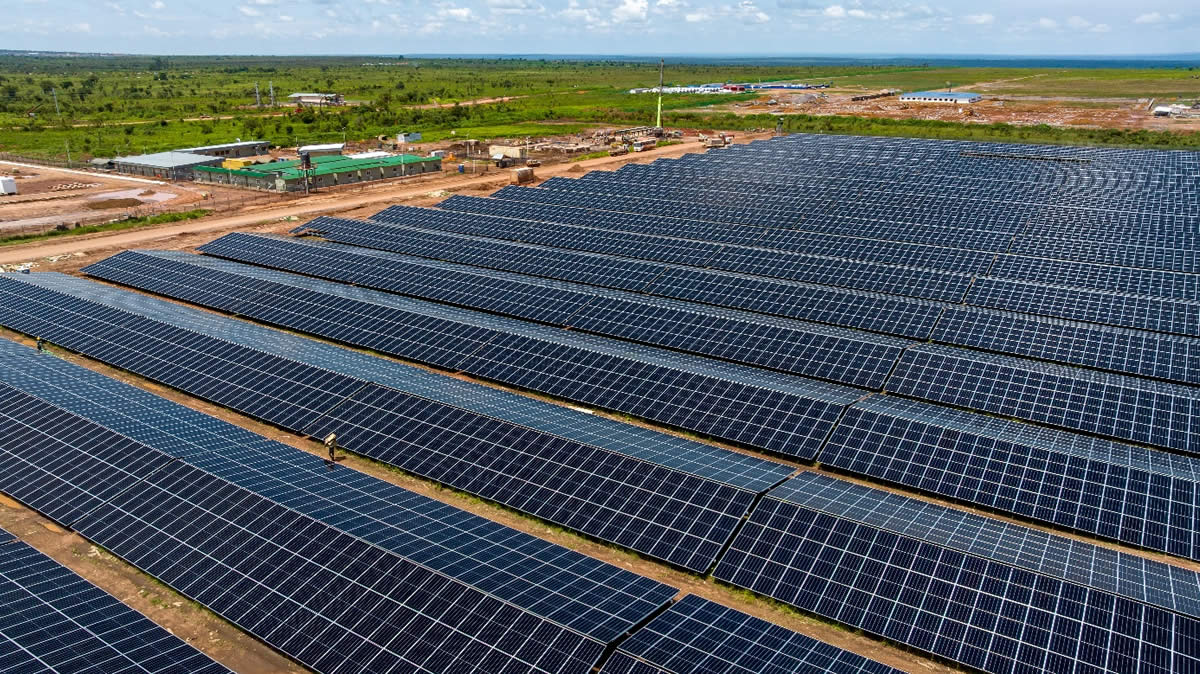
The Nigeria Sovereign Investment Authority (NSIA), Africa50 and Sustainable Energy for All (SEforALL) have launched the $300 million Nigeria Distributed Renewable Energy Fund, an initiative aimed at mobilising investment to expand electricity access through decentralised clean-energy solutions.
The fund is designed to support distributed renewable energy projects serving communities and businesses that remain underserved by conventional electricity infrastructure.
Its launch was highlighted at the Africa Social Impact Summit’s Global Action Forum in New York, held on the sidelines of the 81st United Nations General Assembly, where government officials, investors, development institutions, philanthropies and civil society organisations discussed financing solutions for Africa’s development priorities.
The initiative reflects growing interest in distributed energy systems as a way to address electricity access gaps, particularly in areas where extending the national grid may be difficult, costly or slow.
Under the arrangement, NSIA and Africa50 will co-manage the fund, while SEforALL will provide leadership on energy access.
Financing decentralised electricity
Distributed renewable energy systems include mini-grids, standalone solar installations and other localised power solutions that can supply electricity to homes, small businesses, public facilities and commercial users.
Such projects can help communities obtain electricity without relying exclusively on large-scale grid expansion. They can also provide businesses with a more predictable source of power, depending on the reliability and design of the systems deployed.
However, the success of distributed energy investments often depends on access to affordable financing, sustainable business models, reliable equipment, effective maintenance and the ability of customers to pay for electricity services.
The $300 million fund is intended to mobilise investment for projects that can address these challenges and expand electricity access at scale.
Development financing takes centre stage
The fund’s launch was presented as part of a wider discussion at the ASIS Global Action Forum on how African countries can move beyond development commitments towards financing models capable of delivering measurable results.
The forum was convened by Sterling One Foundation in partnership with NSIA, the United Nations Population Fund, RALLY and other organisations.
Participants examined ways to mobilise public and private capital for development priorities and accelerate progress across the continent.
For Nigeria, expanding distributed renewable energy could support households, small businesses and industries that face unreliable electricity supply. It could also create opportunities for local energy companies and investors.
The fund’s broader impact will depend on how quickly capital is deployed, the projects selected, the number of communities reached and the affordability and reliability of the electricity delivered.
Details of the fund’s investment timetable, allocation across project categories and expected number of beneficiaries were not provided in the supplied report.