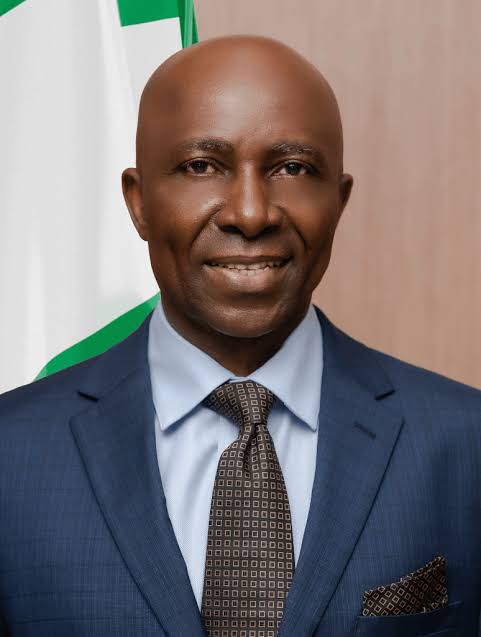
The Tax Ombud and Chief Executive of the Office of the Tax Ombud, John Nwabueze, has warned revenue authorities against multiple taxation, arbitrary assessments and illegal levies, saying such practices could undermine public confidence in Nigeria’s tax reforms.
Nwabueze issued the warning at a stakeholders’ engagement in Abuja, where he urged tax authorities to respect taxpayers’ rights and ensure that the implementation of the new tax laws did not expose individuals and businesses to unlawful charges.
He said fairness, transparency and consistency in tax administration would be essential to building public trust, encouraging voluntary compliance and improving the effectiveness of the country’s revenue system.
According to him, overlapping levies and arbitrary assessments could create unnecessary financial pressure for taxpayers while discouraging compliance with legitimate tax obligations.
The warning comes as Nigeria continues to pursue tax reforms intended to simplify administration, improve revenue mobilisation and strengthen accountability across the tax system.
Multiple taxation raises business costs
Multiple taxation remains a concern for businesses that may face overlapping charges from different levels of government or public agencies.
Where levies are poorly coordinated or imposed without a clear legal basis, businesses can struggle to determine their actual tax obligations and may incur additional compliance costs.
For small businesses in particular, unpredictable charges can affect cash flow, investment decisions and the ability to expand operations.
Arbitrary assessments can also create disputes between taxpayers and revenue authorities, potentially increasing the time and cost associated with resolving tax matters.
Nwabueze said tax agencies must ensure that enforcement is consistent with the law and that taxpayers are treated fairly throughout the assessment and collection process.
His warning reinforces the importance of distinguishing legitimate tax obligations from unauthorised levies and charges that lack a proper legal foundation.
Fair implementation critical to tax reforms
The Tax Ombud said the new tax reforms, which the supplied report states took effect on January 1, 2026, were designed to simplify compliance, improve revenue generation, support eligible small businesses and strengthen accountability.
However, the practical impact of the reforms will depend on how effectively the laws are administered by the relevant authorities.
Clear guidance, accessible complaint channels, transparent assessments and consistent enforcement could help reduce uncertainty for taxpayers and improve confidence in the system.
The Office of the Tax Ombud is positioned to address taxpayer concerns and promote fair treatment in tax administration. Its effectiveness will depend, among other factors, on the accessibility of its services and the ability of taxpayers to seek redress when they believe they have been treated unfairly.
For businesses and individuals, the central issue is whether tax reform will produce a simpler, more predictable system in which lawful obligations are enforced without unnecessary or unauthorised charges.
Nwabueze’s warning places responsibility on revenue agencies to ensure that efforts to increase government revenue do not come at the expense of fairness, transparency and public confidence.