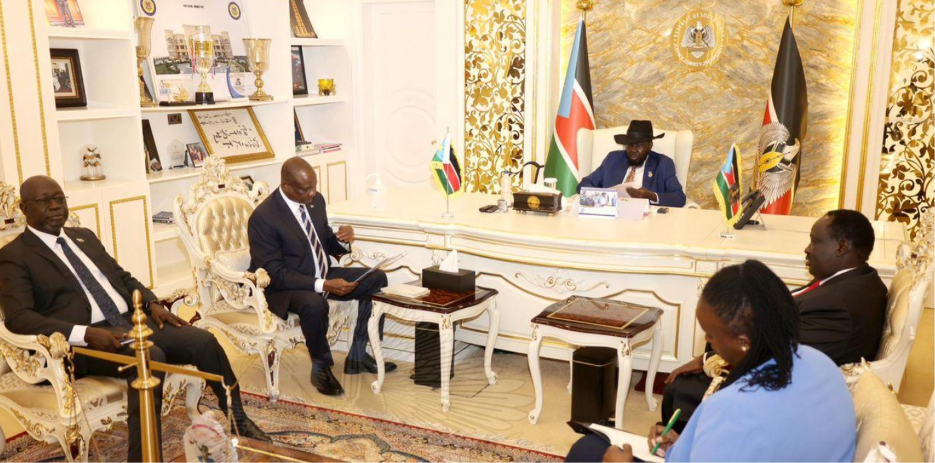
South Sudan has postponed its long-awaited national election until February 11, 2027, in another setback to the country’s efforts to establish a democratic government through a nationwide vote.
The decision was announced through a timetable issued by the National Elections Commission, confirming a further delay to the country’s first national election since gaining independence in July 2011.
The postponement has renewed concerns about political uncertainty, the implementation of the country’s peace agreement and the ability of authorities to organise a credible election.
South Sudan has faced repeated delays in its transition towards democratic governance since independence.
The country became the world’s youngest nation in 2011 after separating from Sudan following decades of conflict.
However, its early years as an independent state were marked by political disagreements that eventually developed into a devastating civil war in December 2013.
The conflict involved forces loyal to President Salva Kiir and supporters of his former vice-president, Riek Machar.
The violence resulted in widespread displacement, economic disruption and a serious humanitarian crisis.
In 2018, the rival parties signed a revitalised peace agreement aimed at ending the conflict and establishing a transitional unity government.
The agreement provided a framework for political cooperation, security arrangements and preparations for democratic elections.
However, implementing the agreement has proved difficult.
Several important provisions, including security-sector reforms, the unification of armed forces and the completion of institutional arrangements required for elections, have experienced delays.
The election was initially expected to take place in December 2024 but was postponed after authorities cited difficulties in completing essential preparations.
The latest postponement to February 2027 indicates that several obstacles remain unresolved.
Organising a nationwide election in South Sudan presents considerable logistical and political challenges.
The country has limited infrastructure, a large rural population and communities that have experienced years of insecurity and displacement.
Electoral authorities must also establish reliable voter registration systems, prepare polling facilities and ensure that political parties can participate freely.
Another major concern is the security situation.
Although the 2018 peace agreement reduced large-scale fighting between the main political factions, violence has continued in several parts of the country.
Localised clashes, armed confrontations and political disagreements have affected efforts to establish stability.
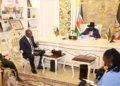
The relationship between President Kiir and Machar has also remained a significant factor in the country’s political transition.
Their cooperation is considered important to implementing the peace agreement and creating conditions for a credible election.
Opposition groups and political observers have repeatedly expressed concern about delays in implementing the agreement.
They argue that continued postponements could weaken public confidence in the political transition and create further uncertainty about the country’s democratic future.
The government, however, faces the challenge of ensuring that elections are properly organised rather than holding a vote without the necessary institutions and security arrangements.
A credible election requires more than announcing a date. It also depends on the independence of electoral authorities, transparent procedures, freedom of political participation and public confidence in the results.
The international community has continued to encourage South Sudanese leaders to implement the peace agreement and establish a clear path towards democratic governance.
Regional organisations, including the African Union and the Intergovernmental Authority on Development, have played important roles in supporting peace and political negotiations.
The United Nations has also remained involved in humanitarian and peacebuilding activities in the country.
The election postponement could have implications for international confidence in South Sudan’s political institutions.
Investors and development partners generally require a stable political environment before committing substantial resources to long-term economic projects.
South Sudan possesses significant oil resources, but insecurity, infrastructure limitations and political uncertainty have affected its ability to develop the wider economy.
The country also faces major humanitarian challenges, including food insecurity, displacement and limited access to essential services.
A stable political system could help create better conditions for addressing these problems.
As February 2027 approaches, authorities will face pressure to demonstrate measurable progress in electoral preparations.
The main challenge will be ensuring that the next election date leads to an actual vote rather than another postponement.