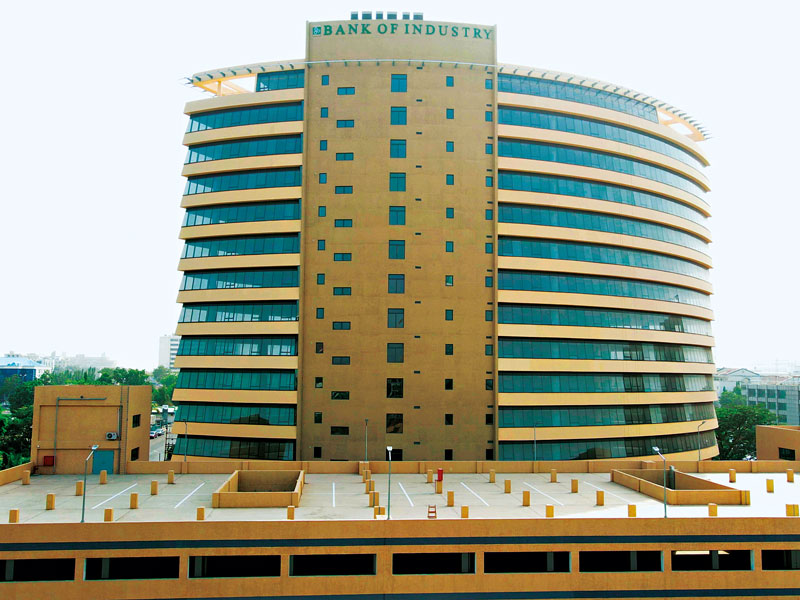
The Bank of Industry (BoI) has secured more than €2.22 billion and ₦250 billion through financing transactions concluded between 2024 and 2026, as the development finance institution seeks to expand access to long-term capital for Nigerian businesses.
The bank’s Managing Director and Chief Executive Officer, Dr Olasupo Olusi, disclosed this at a media roundtable, describing capital mobilisation as a central component of the institution’s 2025–2027 corporate strategy.
According to the figures supplied by the bank, the transactions include a €1.879 billion syndicated facility secured in 2024, €210 million raised from international development partners in 2025 and a ₦250 billion development bond issued in 2026, which was oversubscribed.
The bank also secured €85 million from the European Investment Bank (EIB) in 2026 to support agriculture, alongside a separate €50 million facility from the European lender for healthcare manufacturing.
Olusi said the transactions reflected investor confidence in the bank’s governance, financing pipeline and development impact.
“Nigerian businesses need long-term, affordable capital, and the commercial banking system cannot provide enough of it. Filling that gap is our job,” he said.
He added that investors had committed funds because of their confidence in the institution’s governance, pipeline and results.
Long-term funding targets industrial financing gap
Development finance institutions such as BoI provide financing intended to support productive sectors that may struggle to obtain suitable funding through conventional commercial lending.
Manufacturing, agriculture and healthcare production can require significant upfront investment in equipment, facilities, technology and working capital.
Businesses operating in these sectors may need longer repayment periods than those typically available through short-term lending products.
The bank’s fundraising drive is intended to mobilise capital that can be channelled into industrial projects and other priority sectors.
If effectively deployed, the funding could help eligible businesses expand capacity, improve production processes and invest in equipment or technology.
However, the ultimate economic impact will depend on the terms of the financing, the projects selected, the speed of disbursement and the borrowers’ ability to execute their investment plans.
Agriculture and healthcare among priority areas
The reported €85 million EIB facility for agriculture and the additional €50 million for healthcare manufacturing point to an effort to support sectors with implications for domestic production and supply chains.
Investment in agriculture can support processing, storage and value addition, while financing healthcare manufacturing could help local producers expand capacity.
Both sectors require reliable infrastructure, access to markets, technical expertise and a stable operating environment to translate financing into sustainable production.
The facilities’ specific lending terms, beneficiary targets and disbursement schedules were not detailed in the supplied report.
Funding mobilisation remains only the first step
Securing financing expands the bank’s capacity to support businesses, but mobilisation alone does not guarantee industrial growth.
The effectiveness of the strategy will be measured by how much capital reaches viable businesses, the additional investment it attracts and the extent to which supported projects increase output, employment and productivity.
BoI’s latest fundraising figures nevertheless underscore the role development finance institutions can play in addressing Nigeria’s long-term financing needs.