Nigeria needs an estimated $6 billion in drilling equipment and related infrastructure to raise crude oil production to three million barrels per day, the Petroleum Technology Association of Nigeria (PETAN) has said, identifying financing constraints as a major obstacle to the country’s production ambitions.
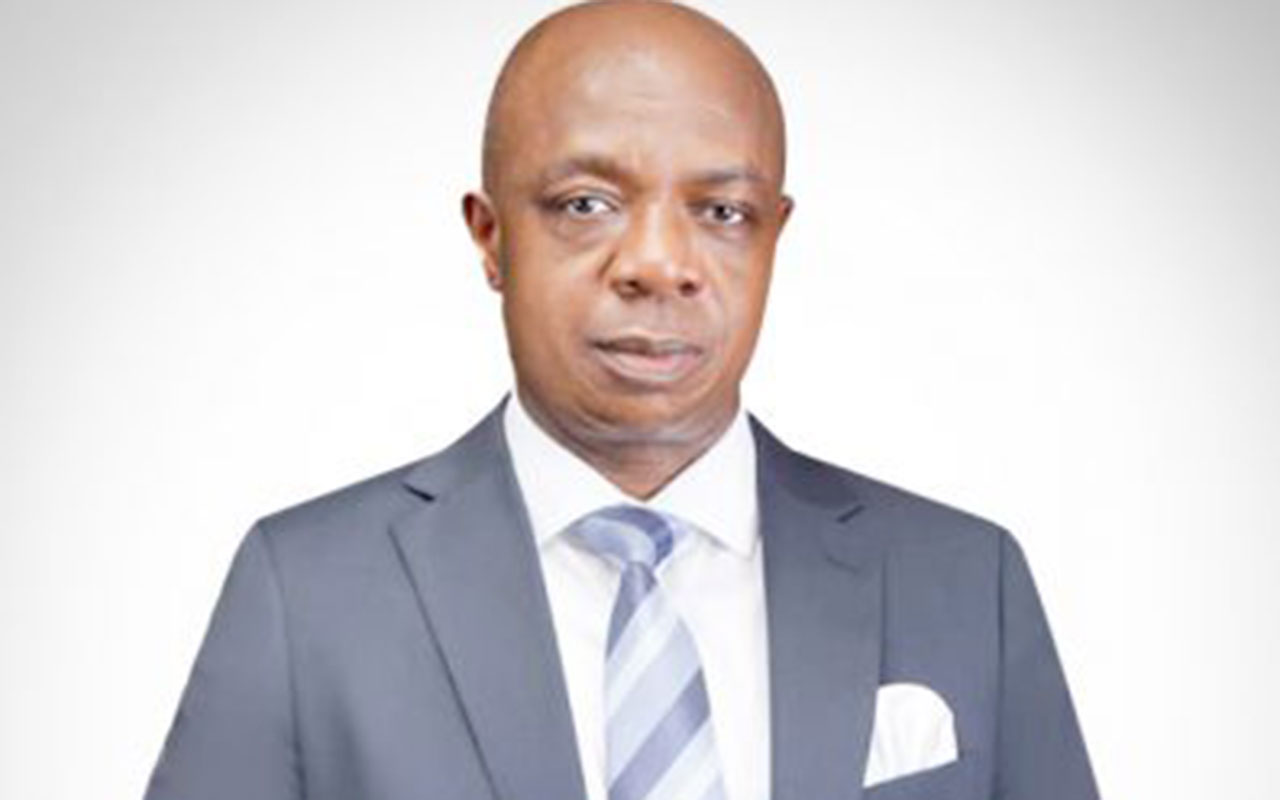
PETAN Chairman, Wole Ogunsanya, disclosed this at the association’s media roundtable on the state of Nigeria’s oil and gas industry, where he called for innovative financing arrangements to help indigenous oilfield service companies acquire the equipment required to support higher output.
Ogunsanya said Nigeria had the natural resources, market opportunities and technical expertise to expand oil and gas production, but investment in essential equipment and infrastructure remained inadequate.
According to him, PETAN’s assessment indicates that approximately $6 billion would be required for drilling equipment alone to support the drive towards three million barrels of crude oil per day.
The association said access to financing would be particularly important as indigenous producers take over assets previously operated by international oil companies and seek to increase production from those fields.
Financing gap threatens production ambitions
Raising crude oil production requires more than access to petroleum reserves. Operators also need drilling rigs, well-service equipment, technical support, reliable logistics and sustained investment in field development.
Where equipment is unavailable or financing is too expensive, projects can be delayed, existing wells may not receive the required maintenance, and plans to expand output can become more difficult to execute.
For indigenous oilfield service companies, the high capital requirements can create a barrier to acquiring modern equipment, particularly when contracts require substantial upfront investment.
PETAN’s call for innovative financing is therefore aimed at helping local service providers obtain the tools needed to support exploration, drilling and production activities.
Potential financing arrangements could involve longer-tenor loans, equipment leasing, asset-backed financing or partnerships between service companies, producers and financial institutions. The association’s supplied statement, however, did not specify a particular financing model.
Indigenous firms face growing opportunities
The transfer of oil and gas assets to indigenous operators has increased the importance of local technical capacity and service delivery in the upstream sector.
Domestic companies need access to equipment and skilled personnel to maintain production, develop new wells and improve recovery from existing assets.
Stronger local service capacity could also help retain a greater share of industry spending within Nigeria, while creating opportunities for engineering firms and related businesses.
However, achieving the three-million-barrel-per-day target will depend on several factors beyond equipment financing, including security, infrastructure, regulatory certainty, investment conditions and the operational performance of producing assets.
The $6 billion estimate highlights the scale of the investment challenge facing the industry. Converting that requirement into higher output will require funding to reach viable projects and translate into measurable improvements in production.