The Federal Government has paid ₦1.23tn out of the ₦3.3tn owed to electricity generation companies (GenCos), in a move aimed at easing liquidity constraints in the power sector and improving electricity supply across the country.
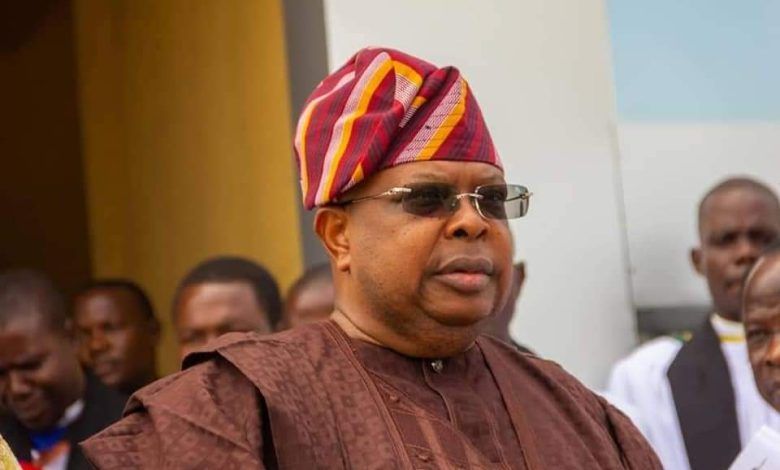
Minister of Power, Joseph Tegbe, disclosed this on Wednesday while briefing State House correspondents after the Federal Executive Council meeting presided over by President Bola Tinubu at the Presidential Villa, Abuja.
According to the minister, the payment represents a significant step towards addressing the financial pressures affecting electricity generation, particularly challenges associated with gas supply to power plants.
Nigeria’s electricity industry has faced persistent liquidity problems, with debts owed to generation companies contributing to difficulties in meeting operational obligations and maintaining reliable power generation.
Tegbe said the government was pursuing measures to address the sector’s financial challenges while improving the performance of existing infrastructure.
He explained that the administration was also working towards expanding transmission capacity from its current estimated wheeling capacity of 5,000 megawatts to approximately 19,000MW.
The proposed expansion is expected to strengthen the national grid’s ability to evacuate electricity generated by power plants and deliver it to distribution companies.
However, achieving the target will require substantial investment in transmission infrastructure, including substations, transformers, transmission lines and other supporting equipment.
Tinubu orders release of abandoned power equipment
The minister also disclosed that President Tinubu had directed the clearance of approximately 300 containers of power equipment abandoned at ports across the country.
Some of the containers, he said, had remained at the ports for as long as 20 years.
The directive is intended to recover equipment that could support the rehabilitation and expansion of Nigeria’s electricity infrastructure, while reducing delays associated with the importation and deployment of critical power components.
Tegbe said the government was simultaneously pursuing grid stabilisation, improved liquidity and investment in transmission infrastructure as part of a broader strategy to strengthen the electricity sector.
The latest measures come amid continuing concerns over unreliable electricity supply, frequent grid disturbances and the high operating costs faced by businesses and households.
Although the payment to GenCos represents progress in addressing outstanding obligations, the government still has about ₦2.07tn of the reported debt to settle.
The effectiveness of the intervention will depend on sustained payments, improved gas availability, stronger transmission infrastructure and reforms that address the financial weaknesses across the electricity value chain.