The Federal Government is planning a $2 billion investment in a new East-West Super Grid that is expected to provide at least 19,000 megawatts of additional electricity transmission capacity and strengthen the resilience of Nigeria’s national power network.
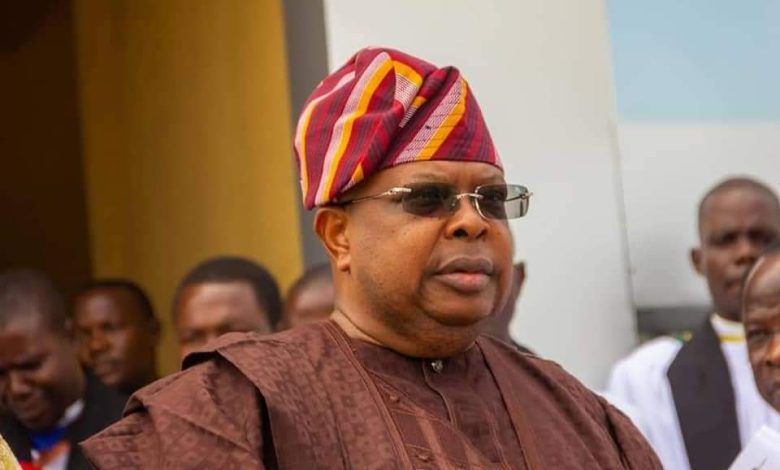
Minister of Power, Joseph Tegbe, disclosed the plan during a television interview, describing the proposed infrastructure as a major component of the government’s strategy to address longstanding transmission constraints and support growing electricity demand.
According to the minister, the project will traverse Funtua, Gwagwalada, Ikot-Ekpene, Benin, Epe and Ilorin, establishing a major transmission corridor across different parts of the country.
He said the project had received presidential approval, with procurement processes already underway, while construction and delivery are expected to take between 18 months and two years.
Tegbe explained that the new infrastructure would complement the existing national grid rather than replace it, providing additional capacity and improving the ability of the electricity system to move power between regions.
The proposed investment comes as Nigeria continues to grapple with inadequate transmission infrastructure, a major constraint on the delivery of electricity from generation companies to distribution networks and consumers.
Although the country has installed generation capacity, limitations in the transmission network have frequently restricted the amount of electricity that can be evacuated and delivered reliably.
The proposed Super Grid is expected to address some of these bottlenecks by expanding transmission capacity and improving the flexibility of the national network.
A stronger transmission system could also support the integration of additional generation capacity, reduce congestion along critical transmission corridors and improve the movement of electricity between areas with different supply and demand profiles.
The project is particularly significant as the electricity sector undergoes wider reforms, including the decentralisation of regulatory responsibilities and efforts to attract private investment into generation and distribution.
However, the proposed delivery timeline will depend on the completion of procurement, financing arrangements, engineering work and construction across the designated route.
Beyond the construction of new transmission lines, the effectiveness of the investment will also depend on supporting infrastructure, system management and coordination among the relevant power-sector institutions.
If successfully delivered, the East-West Super Grid could represent a major expansion of Nigeria’s transmission infrastructure and provide additional capacity to support the country’s long-term electricity needs.