Benin has returned to the ranks of crude oil-exporting countries following the shipment of its first major crude oil cargo from the revived Sèmè offshore oil field, ending a production break that lasted nearly three decades.
The development represents an important milestone for the West African country as it seeks to expand its energy industry, attract investment and generate additional revenue from natural resources.
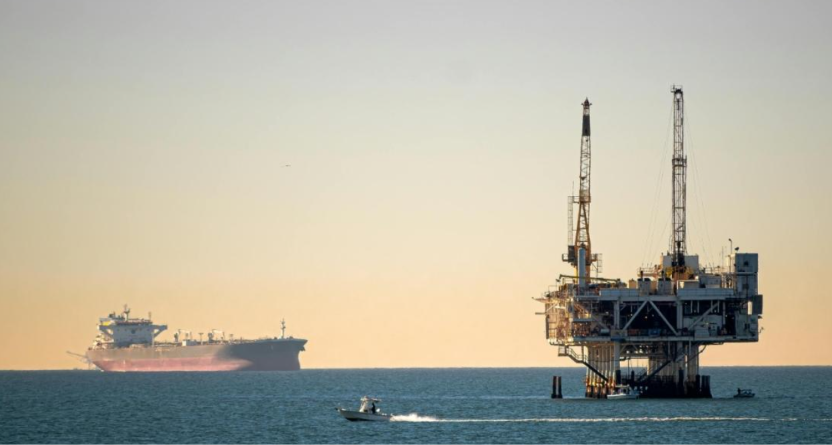
According to shipping information reported by S&P Global, approximately 360,000 barrels of Sèmè crude were loaded onto the Greek-flagged tanker Kriti Jade and were heading towards Rotterdam in the Netherlands.
Bloomberg separately reported an estimated cargo of 330,000 barrels, based on its tanker-tracking information and information from Benin’s state oil company. The difference reflects the estimates reported by the two sources.
The shipment is significant because Benin had not produced crude oil since the Sèmè field was shut down in 1998.
The field originally began producing oil in the 1980s but experienced declining output as a result of falling crude prices, limited investment and technical difficulties.
Production activities were eventually suspended, leaving the country without domestic crude oil production for almost 28 years.
The return of production followed renewed investment and drilling activities by Akrake Petroleum, the company operating the field.
Akrake Petroleum is owned by Singapore-based Rex International Holding through its subsidiary Lime Petroleum.
According to information released by Rex International, the company undertook a three-well drilling programme at the Sèmè field in August 2025. The drilling activities were completed in February 2026, while first oil production was achieved in March 2026.
The revived field is located offshore in Block 1 and is expected to become an important contributor to Benin’s energy industry.
The field previously produced approximately 22 million barrels of crude oil between 1982 and 1998, according to information attributed to its operator.
The company has also indicated that the field contains more than 27 million barrels of resources, although the actual amount that can be commercially recovered will depend on further technical and economic assessments.
The project is expected to benefit Benin through additional export earnings, investment opportunities and the development of supporting infrastructure.
However, the long-term contribution of the oil field will depend on its production capacity, operating costs and the performance of international crude oil markets.
The development also comes at an important time for West Africa’s energy industry, where countries are seeking to increase domestic production and attract international energy companies.
Benin already plays a strategic role in regional oil transportation because it serves as an export route for crude produced in neighbouring Niger.
A pipeline connects Niger’s oil-producing Agadem Basin to Benin’s coastal export infrastructure, providing landlocked Niger with access to international markets.
The revival of the Sèmè field therefore adds another dimension to Benin’s position in the regional petroleum industry.
Despite the positive development, the country will need to manage its petroleum resources carefully to ensure that the benefits extend beyond the initial export shipments.
Transparent revenue management, effective regulation and investment in public infrastructure will be important in determining the long-term economic impact of the project.
For Benin, the first cargo is more than an ordinary oil shipment. It marks the return of a previously dormant industry and creates an opportunity to strengthen the country’s participation in international energy markets.