Nigeria’s electricity crisis may persist into 2027 as the Federal Government has shifted the planned settlement of its outstanding debt to power generation companies, while key interventions in metering and transmission infrastructure are also expected to extend beyond 2026.
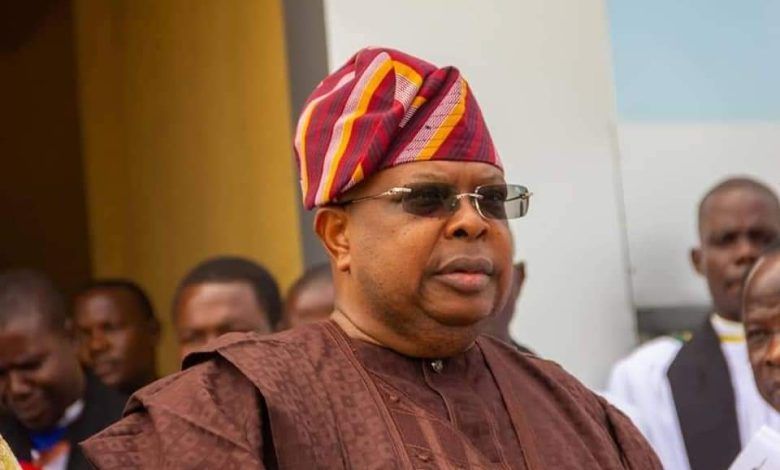
The Minister of Power, Joseph Tegbe, disclosed this during an interview with Arise News, explaining that the government had paid N1.23 trillion of the debt, which was negotiated down from an initial N6 trillion.
He said the government was exploring alternative arrangements to settle the outstanding obligations, including offsetting some liabilities against royalties and corporate income tax, as well as engaging the Nigerian National Petroleum Company Limited (NNPC) to reduce gas costs for power generation companies.
“We’re on track to finish paying the rest next year. Because we are looking at different ways to settle it,” Tegbe said.
Explaining the proposed debt-offset arrangement, the minister said the government was seeking a more efficient approach to managing its obligations.
“You can’t take money with one hand and give it with the other hand. So, let’s net it off,” he stated.
The decision to extend the settlement timeline to 2027 means that generation companies will have to wait longer for the full payment of outstanding government obligations, at a time when liquidity challenges remain a major concern across the electricity value chain.
The minister also attributed a significant proportion of the sector’s difficulties to human and institutional shortcomings, estimating that 80 per cent of the challenges were linked to those factors, while technical issues accounted for the remaining 20 per cent.
His assessment points to governance, institutional capacity and operational efficiency as critical areas requiring attention alongside investment in physical infrastructure.
The electricity sector has continued to face challenges involving inadequate power supply, gas availability, transmission limitations, distribution inefficiencies and financial constraints.
The proposed engagement with NNPC to reduce gas costs is also significant because gas-fired plants account for a substantial part of Nigeria’s electricity generation capacity.
However, the extension of the debt settlement programme and other planned interventions suggests that the sector’s recovery will require sustained policy implementation and coordination among government agencies, generation companies, gas suppliers and distribution operators.
With the outstanding debt now expected to be addressed in 2027, the government faces the task of ensuring that its proposed financing arrangements translate into improved liquidity, more reliable generation and better electricity supply to consumers.