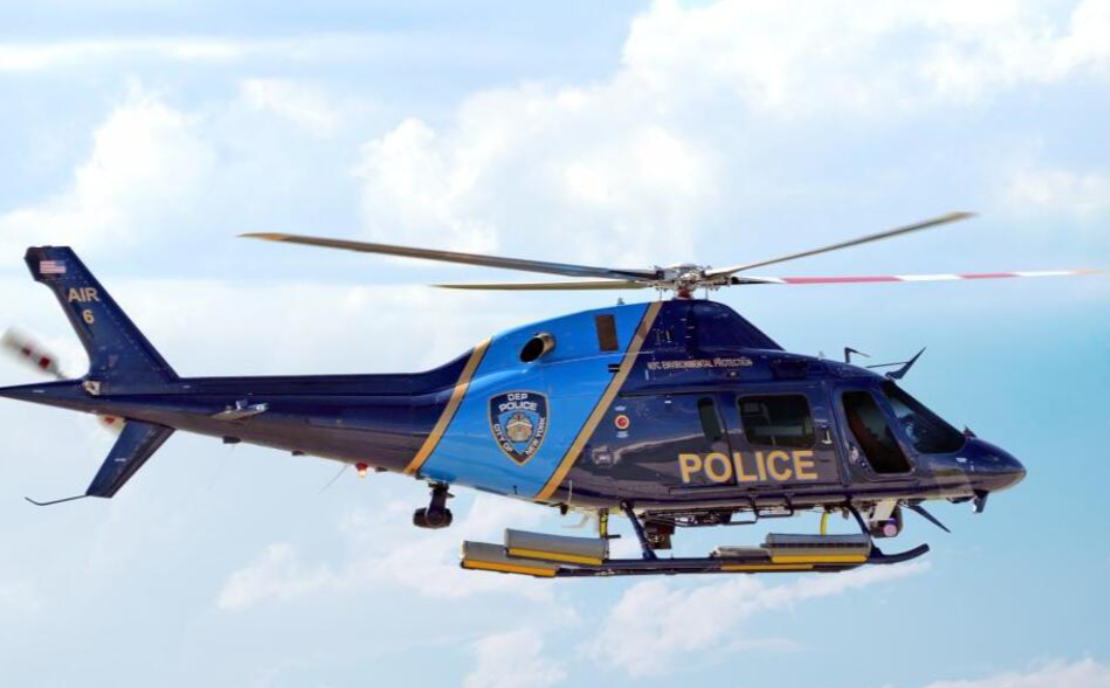
Angola has launched a modernised police aviation unit and received four helicopters as part of a wider programme aimed at strengthening the country’s security and emergency response capabilities.
The launch took place on Thursday at the 4 de Fevereiro International Airport in Luanda, where Interior Minister Manuel Homem commissioned the new aviation facility.
The four helicopters form part of a 19-aircraft acquisition programme designed to improve the operational capacity of the Angolan National Police.
The development is expected to support aerial surveillance, patrol operations, search and rescue missions, medical evacuations and responses to emergencies in different parts of the country.
The launch also marks an important step in the restoration of Angola’s police aviation capacity, which had been affected after its previous fleet became inoperable in 2017.
Restoring police aerial operations
Police aviation can play an important role in countries with large geographical areas, busy cities and remote communities.
Aircraft allow security agencies to monitor locations that may be difficult to reach quickly by road. They can also support ground teams during major operations, emergencies and rescue missions.
In Angola, authorities say the new helicopters will help improve surveillance and operational coverage.
The aircraft are expected to support patrols and law enforcement activities, particularly in densely populated urban centres and remote areas where access may be challenging.
Aerial operations can also provide security agencies with a broader view of developing incidents, allowing them to coordinate responses more effectively.
The programme is therefore intended to strengthen not only the availability of aircraft but also the country’s wider public security system.
Training local technical personnel
An important part of the acquisition programme is the development of local expertise.
Authorities say the initiative includes training for Angolan pilots, mechanics and technicians who will operate and maintain the aircraft.
This is significant because purchasing aircraft alone does not guarantee long-term operational capacity. Aviation services require trained personnel, regular maintenance, technical support and reliable systems for managing flight operations.
Without these resources, aircraft can become unavailable even when they have been successfully delivered.
Training local personnel could help Angola build the technical skills needed to sustain the fleet and reduce long-term dependence on external support.
The programme is expected to develop expertise in aircraft operation and maintenance, creating a foundation for more reliable police aviation services.
Supporting emergency response
The helicopters are also expected to support search and rescue activities and medical evacuation operations.
In emergencies, aircraft can help reach communities that are difficult to access by road. They may also assist in transporting injured people, monitoring disaster areas and supporting coordination between emergency agencies.
Angola’s large territory makes such capabilities important, particularly in areas where road access is limited or travel takes considerable time.
Aviation support can also be useful during major public events, security operations and incidents requiring rapid assessment from above.
However, the effectiveness of the new unit will depend on how consistently the aircraft are maintained, how well personnel are trained and how effectively the police coordinate operations with other emergency services.
A wider modernisation programme
The delivery of four helicopters is part of a broader 19-aircraft programme. The government has presented the initiative as part of efforts to modernise the Ministry of the Interior and strengthen the country’s public security infrastructure.
The restoration of police aviation after the previous fleet became inoperable in 2017 represents a significant institutional development.
The programme’s success will ultimately be measured by the availability of the aircraft, the quality of the training provided and the extent to which the fleet improves security and emergency response.
For Angola, the launch provides an opportunity to rebuild an important operational capability and strengthen the role of aviation in national policing.