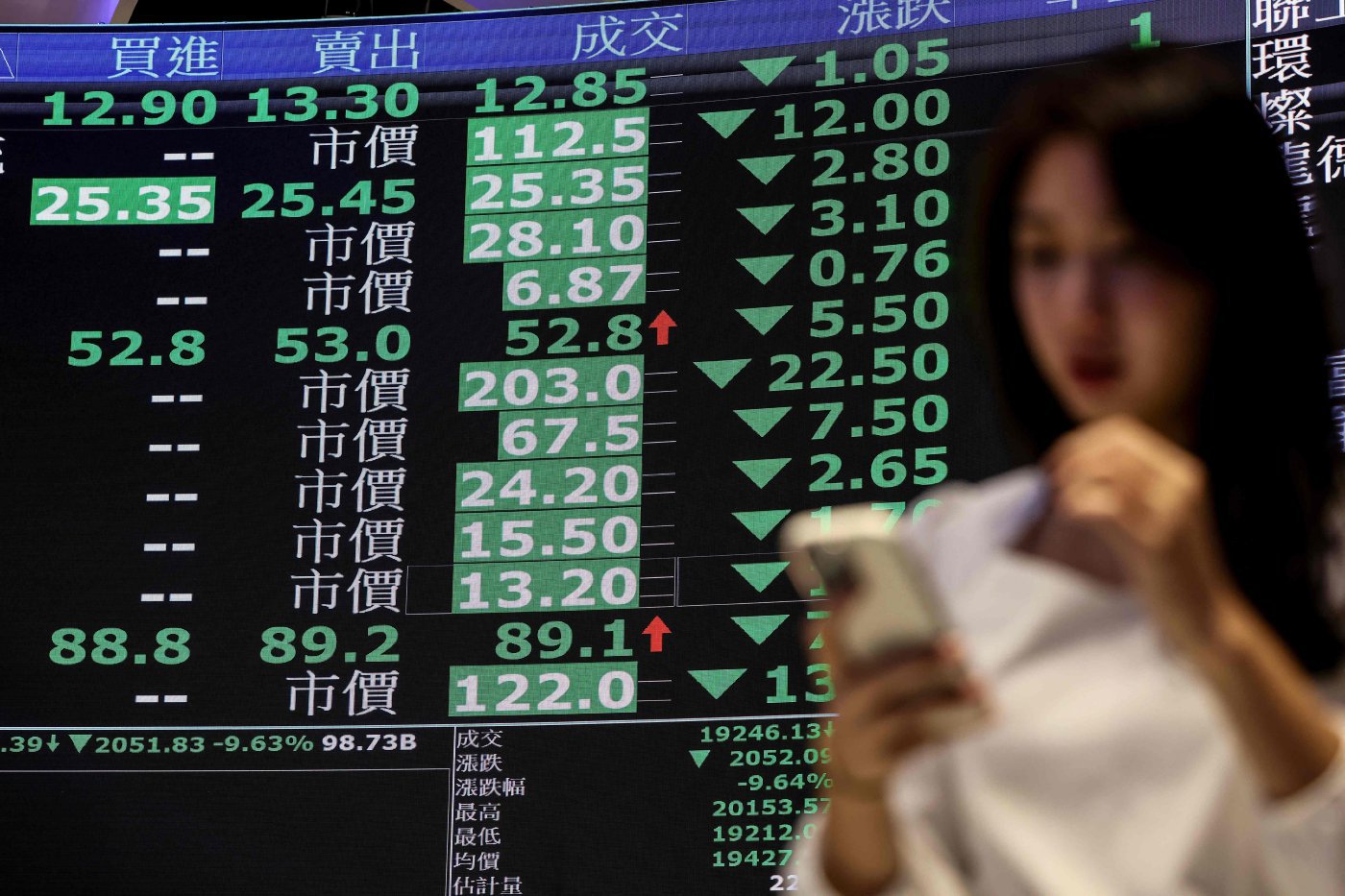
Asian stock markets advanced on Monday as renewed demand for technology shares and easing oil prices improved investor sentiment, although concerns over rising global interest rates continued to hang over financial markets.
South Korea’s technology-heavy benchmark gained about 1.5 per cent, while Chinese blue-chip shares advanced 0.6 per cent. MSCI’s broadest index of Asia-Pacific shares outside Japan climbed approximately 0.8 per cent.
US equity futures also strengthened, with S&P 500 futures rising 0.4 per cent and Nasdaq futures adding around 0.6 per cent.
European markets were similarly positioned for a positive opening, with EURO STOXX 50 and German DAX futures gaining around 0.4 per cent.
Japanese markets were closed for the country’s Silver Week holiday, reducing liquidity across parts of the Asian session.
AI Demand Keeps Chipmakers in Focus
Technology stocks were among the major drivers of Monday’s gains.
Investors continue to bet that enormous spending on artificial-intelligence infrastructure will support demand for semiconductors, servers, networking equipment and data centres.
South Korea is particularly exposed to that trend through semiconductor heavyweights and the country’s broader electronics supply chain.
AI investment has consequently become an increasingly important influence on Asian stock markets.
But technology shares are simultaneously vulnerable to rising interest rates.
High-growth companies tend to be more sensitive to borrowing costs because investors place significant value on earnings expected years into the future.
Bond Markets Remain Under Pressure
The positive equity performance comes against a much more difficult backdrop in global bond markets.
US two-year Treasury yields have climbed 36 basis points over the past two weeks to around 4.76 per cent, reaching levels not seen since mid-2024.
Markets have been adjusting to more restrictive guidance from the Federal Reserve.
The US central bank raised interest rates last week, and traders are now assigning significant probability to another increase in October.
Bank of America economists expect two additional increases — in October and December — arguing that strong nominal consumer spending means the Fed may need to continue restraining demand.
Several other major central banks are also expected to maintain restrictive policies as inflation pressures persist.
Oil Retreat Provides Some Relief
Energy prices provided investors with better news.
Oil declined on Monday as reports indicated that more crude was leaving the Middle East than markets had previously expected despite the continuing Gulf conflict.
Higher oil prices have been one of the biggest threats to the global inflation outlook.
A sustained decline would potentially reduce pressure on businesses, households and central banks.
However, supply conditions remain vulnerable to further disruption.
For global businesses, the combination of AI-driven equity optimism, volatile oil prices and high interest rates creates a complicated operating environment.
Companies may be benefiting from technological investment and resilient demand, but borrowing remains expensive.
Monday’s market gains therefore suggest improved sentiment rather than the disappearance of underlying risks.
The next phase will depend heavily on whether oil continues retreating, inflation moderates and central banks become convinced that additional rate increases are no longer necessary.