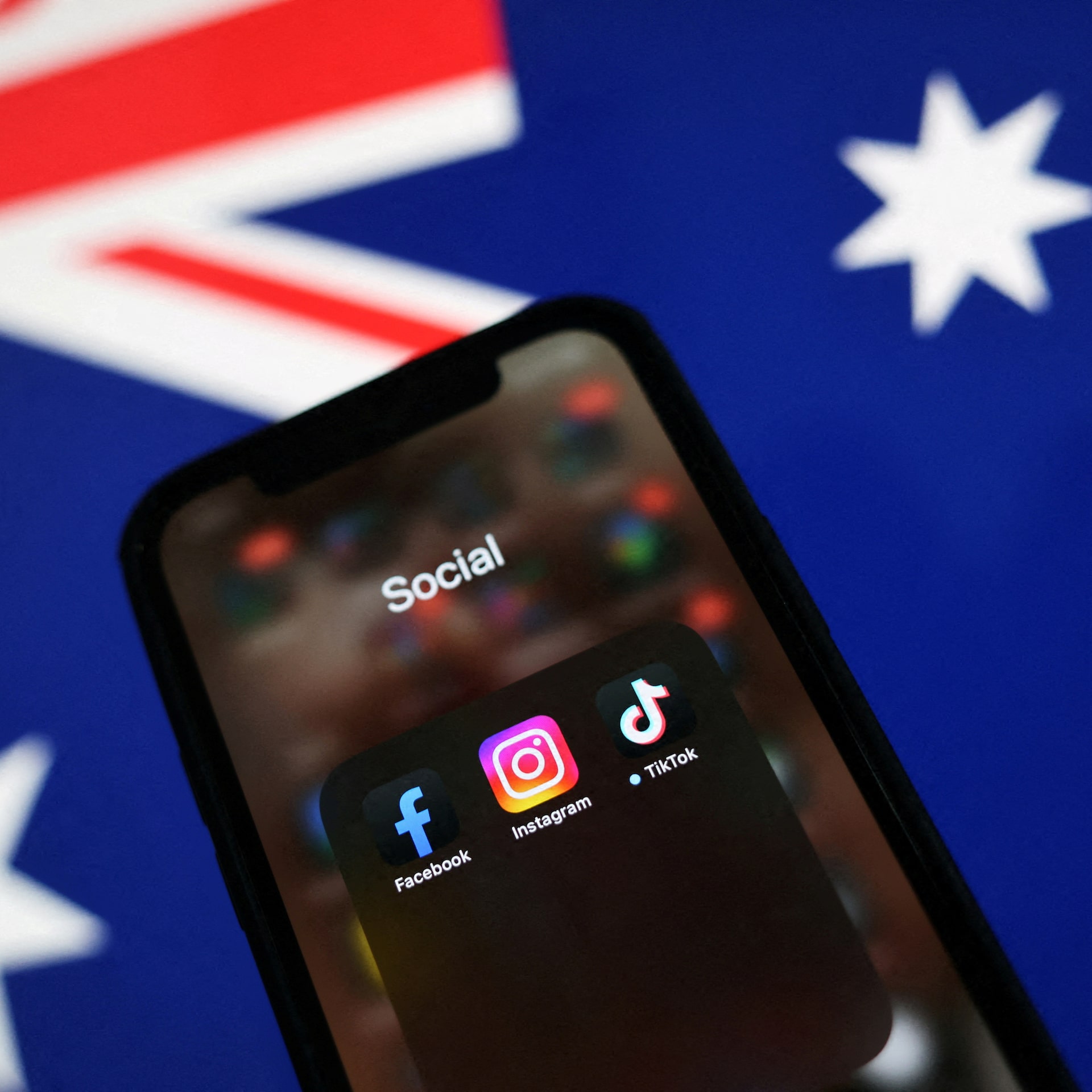
Australia’s upcoming under-16 social media ban, set to begin on December 10, is generating worldwide debate as experts describe the nation as a “real-life laboratory” for understanding how digital platforms affect young people.
Supporters of the legislation argue that a growing body of studies links heavy online activity to declining teen wellbeing. But critics insist the evidence remains inconclusive — and warn the ban could create new risks.
Psychologist Amy Orben of the University of Cambridge said adolescent brains continue developing into their early twenties, making young people particularly vulnerable. A “huge amount” of observational research has shown correlations between high social media use and poorer mental health, she said. However, because phones are deeply woven into everyday life, it is difficult to determine whether social media causes these issues or if already struggling teens turn to it more.
“With technology changing so fast, the evidence base will always be uncertain,” Orben told AFP. She added that Australia’s ban may offer valuable experimental insight into how limiting access affects young people.
To further investigate, Australian researchers are launching a Connected Minds Study, recruiting 13- to 16-year-olds to track how the ban influences their health and wellbeing.
A World Health Organization survey revealed that 11% of adolescents struggle to control their social media use. Additional research links excessive screen time to poor sleep, body image issues, academic decline, and emotional distress. A notable 2019 study in JAMA Psychiatry found that U.S. children who used social media for more than three hours daily faced increased mental health risks.
Some experts say these red flags justify immediate action. Psychiatrist Christian Heim argued the issue is more about values than science, citing cyberbullying, self-harm content, and suicide risks as urgent concerns. “We can’t wait for stronger evidence,” he said.
Other researchers, like Scott Griffiths of the University of Melbourne, noted that a conclusive “smoking gun” study is unlikely—but still support trialing the ban in hopes of pushing social media companies to better protect young users.
Public sentiment also leans in favour, with more than three-quarters of Australian adults supporting the legislation before its passage.
However, more than 140 academics and experts have warned that the policy may be “too blunt an instrument.” Digital media professor Axel Bruns argued that anxiety among young people stems from multiple sources — from disrupted pandemic schooling to global conflicts — not just online platforms. Critics worry the ban may drive some teens to more dangerous corners of the internet or isolate vulnerable youths who rely on online communities.
Activist Noelle Martin said the ban may have little impact without stronger enforcement mechanisms. “I don’t believe it will stop or prevent much,” she added.
Despite the concerns, the government remains firm. Prime Minister Anthony Albanese said social media is “doing social harm” to children and called time on its unrestricted use.