Procurement and supply chain experts have identified poor data visibility and outdated systems as major obstacles limiting the adoption of Artificial Intelligence across many African organisations.
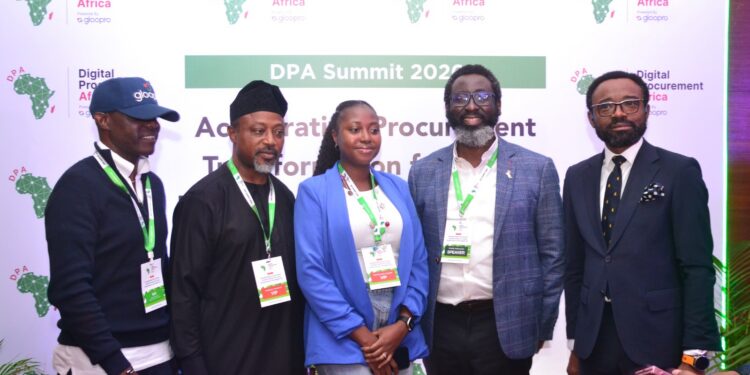
The experts made the observation at the Digital Procurement Africa Summit held in Lagos and powered by Gloopro, where industry leaders gathered to discuss the future of procurement transformation in the digital era.
The summit, themed “Accelerating Procurement Transformation for Large Enterprise in the Digital Era,” brought together procurement professionals, supply chain managers, and business executives to explore how digital tools can improve efficiency and accountability.
Speaking at the event, Olumide Olusanya, Chief Executive Officer of Gloopro, said many organisations across Africa still struggle with procurement digitisation despite increasing global adoption of AI-driven systems.
According to him, effective use of artificial intelligence depends heavily on the availability of structured and reliable data, which many organisations currently lack.
“AI depends on data. Organisations must first digitise procurement activities before artificial intelligence can deliver meaningful value within procurement operations,” Olusanya said.
He explained that in many cases, procurement activities still take place outside formal digital systems, making automation, predictive analytics, and compliance monitoring difficult to implement effectively.
Olusanya added that fragmented records and poor data accessibility often prevent organisations from achieving full benefits of digital procurement, including improved transparency and operational efficiency.
He urged companies to prioritise procurement digitisation as a foundation for stronger governance and better supplier management.
On procurement-as-a-service, he described it as a technology-driven outsourcing model that allows organisations to manage procurement operations through external digital platforms.
According to him, the approach helps reduce operational costs while improving transaction speed, supplier coordination, and visibility across departments. He noted that organisations adopting digital procurement systems are already seeing up to a 67 per cent reduction in procurement turnaround time.
Also speaking, Adenrele Thompson, Indirect Procurement Manager at The Coca-Cola Company, warned that organisations resisting digitisation risk future operational and governance challenges.
“If you are not digital, it is only a matter of time. The consequences are inevitable,” Thompson said.
He added that repeated bypassing of approved procurement systems weakens compliance culture and creates governance gaps within organisations.
Thompson also highlighted the risks associated with “tail spend,” describing it as low-value but frequent transactions that often escape proper oversight.
He warned that such practices can gradually undermine accountability, transparency, and procurement discipline across institutions.
Chukwuma Nkwodinmah, Supply Chain Leader at Aradel Holdings, also cautioned that unmanaged procurement activities expose organisations to financial, regulatory, and reputational risks.
He noted that emergency or off-system purchases often create parallel procurement structures that lack transparency and increase exposure to fraud and inefficiencies.
“Once executives begin to see procurement leakage as governance failure rather than operational inefficiency, organisations will pay greater attention to controlling unmanaged spending,” he said.
His remarks come as governments and organisations intensify efforts to close loopholes in procurement systems across sectors.
Earlier this year, the Bureau of Public Procurement (BPP) said reforms in Nigeria’s procurement processes helped the Federal Government save over N1.1 trillion between January and December 2025, alongside improved contract approval timelines and stricter enforcement measures.