The Federal Government, 36 state governments and 774 local government councils shared a total of ₦2.441tn from the Federation Account in November 2026, representing a marginal increase of ₦13bn over the ₦2.428tn distributed in October.
The latest disbursement, which represents revenue generated in October, reflects a 0.54 per cent month-on-month increase and marks the second consecutive rise in Federation Account allocations following the sharp decline recorded in September.
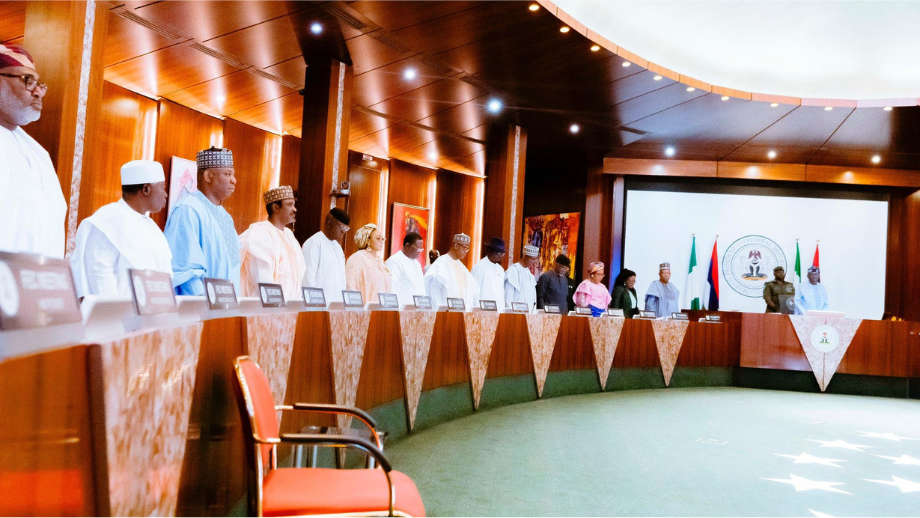
The Office of the Accountant-General of the Federation disclosed the figures in a statement issued on Wednesday by its Director of Press and Public Relations, Bawa Mokwa, following the November meeting of the Federation Account Allocation Committee (FAAC) in Abuja.
According to the statement, the ₦2.441tn was distributed among the three tiers of government in accordance with the applicable revenue-sharing arrangements.
An analysis of the allocation shows that the November disbursement was ₦103bn, or 4.4 per cent, higher than the ₦2.338tn shared in September.
However, the latest figure remained significantly below the record ₦3.007tn distributed in August, representing a decline of ₦566bn, or approximately 18.8 per cent.
It was also ₦109bn lower than the ₦2.550tn allocated in July, highlighting the fluctuations in distributable revenue over the period.
The increase comes despite a reported decline in gross revenue collections, suggesting that movements in deductions, adjustments and other components of distributable revenue also influenced the final amount shared among the three levels of government.
Federation Account allocations remain a major source of funding for public expenditure across the country, particularly for state and local governments that depend heavily on monthly transfers to finance infrastructure, salaries, healthcare, education and other essential services.
The modest increase in November could provide some additional fiscal relief to governments facing rising expenditure obligations, although the allocation remains below the levels recorded during the stronger revenue months earlier in the year.
The latest figures also underscore the importance of improving revenue generation, strengthening collection efficiency and reducing the volatility of public finances as governments seek to meet their budgetary commitments.