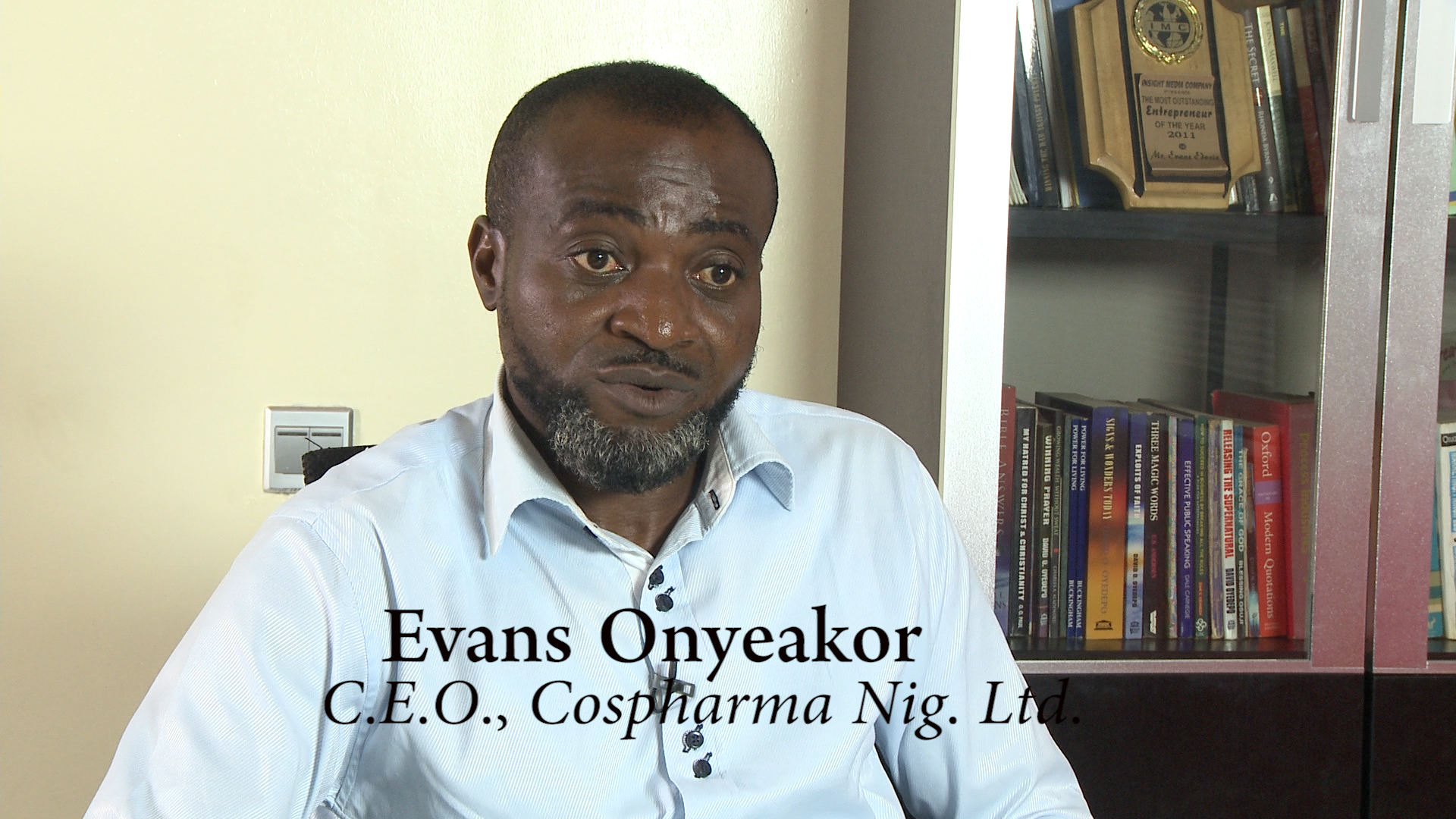
The Managing Director of FairMoney Microfinance Bank, Henry Obiekea, has said that stronger structural harmony between conventional banks and fintech companies is critical to deepening financial inclusion and achieving the Federal Government’s ambition of building a $1tn economy.
Obiekea disclosed this in a thought leadership piece he authored and made available to The PUNCH on Monday.
According to him, leveraging the balance sheet strength of traditional banks alongside the agility and innovation of fintechs would bring more Nigerians into the formal financial system.
“Nigeria is at a defining moment in 2026. After several years of bold macroeconomic adjustments, including foreign exchange unification and structural reforms, the country is moving from stabilisation into expansion,” he said.
He noted that with the Central Bank of Nigeria restoring confidence in the naira and foreign reserves hitting a five-year high of over $45bn, the next phase of growth would depend largely on how effectively Nigerians participate in the formal financial ecosystem.
Obiekea explained that technology-enabled banking is already playing a vital role in this transition, stressing that while commercial banks remain the backbone of the financial system, physical banking alone cannot deliver inclusion at scale in a country of over 220 million people.
“Mobile-first and digitally delivered financial services are closing the inclusion gap. By extending regulated banking beyond physical branches into everyday devices, licensed microfinance banks and other regulated institutions are bringing millions of Nigerians into the formal economy,” he said.
He added that achieving the government’s $1tn GDP target by 2036 would require efficient capital flow, noting that Nigeria recorded over ₦295tn in electronic payment transactions in the first quarter of 2025 alone. According to him, faster and secure financial infrastructure supports modern commerce, strengthens trade, and boosts overall productivity.
Highlighting the importance of Micro, Small, and Medium-Scale Enterprises, Obiekea said technology-driven banking models are helping to close long-standing credit gaps for MSMEs through responsible use of alternative data and small-ticket working capital loans.
“These provide the ‘pocket capital’ businesses need to grow and build a pipeline of enterprises that can mature into larger corporate clients within the broader banking ecosystem,” he said.
He also stated that digitally delivered financial services improve public revenue mobilisation by increasing transaction transparency, widening the tax net, and contributing to government revenues through stamp duties.
Obiekea commended the Central Bank of Nigeria for introducing the Open Banking framework, which he said would be rolled out in phases in 2026. He noted that the framework would ensure consistent oversight across regulated institutions while enabling secure data sharing that strengthens trust and accountability.
“At FairMoney Microfinance Bank, we see this framework as a social contract. Knowing that deposits are protected by NDIC insurance and supported by clear dispute resolution mechanisms gives customers the confidence to participate actively in the economy,” he said.
He concluded that the future of Nigerian banking lies in collaboration.
“Traditional banks provide depth and stability, while technology-enabled institutions provide reach, speed, and accessibility. Together, they turn financial access into economic resilience and equip every Nigerian to contribute meaningfully to our shared $1tn future,” Obiekea said.