Residents of the Federal Capital Territory (FCT) have expressed concern over rising transport fares following the recent increase in the pump price of petrol across Nigeria.
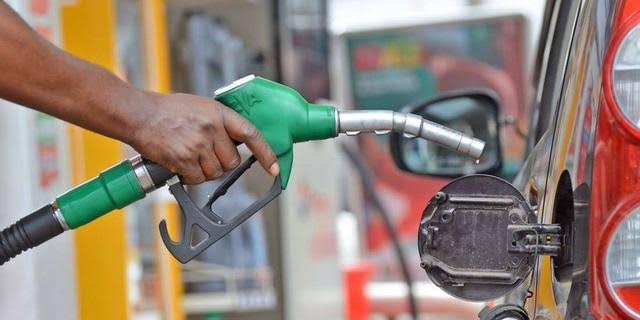
Previously sold between ₦835 and ₦875 per litre, petrol in the FCT is now being sold at ₦1,200 to ₦1,350 per litre, prompting commercial vehicle operators to adjust fares almost immediately, according to Nairametrics.
Commuters say the fare hikes could worsen the already high cost of living in Abuja, as transportation costs affect the prices of other goods and services.
“Last week, I paid ₦1,500 to work, but today I paid ₦2,000. It may look small, but when you calculate it for the whole week, it is a lot,” said Mrs. Grace Anyaoku, a civil servant commuting from Nyanya to Utako.
Other commuters reported similar increases: Wahab Nasir now pays ₦1,000 from Nyanya to Area 1 instead of ₦700, while Mr. Bashir Babandede pays ₦1,200 from Masaka to Garki, up from ₦800.
Commercial vehicle operators also cited rising fuel costs as the main driver of fare adjustments. Lekan Adeleke, a Sharon bus driver, said, “Yesterday, I bought fuel at ₦1,250 per litre, but today it is ₦1,350. We have to adjust fares, or we will run at a loss.”
Commuters warned that the increase in fares could further strain household budgets and potentially trigger rises in the cost of food and other essentials. Babandede noted, “Whenever fuel goes up, transporters increase fares and traders also raise the cost of food items because of transportation.”
Some residents also reported that fewer vehicles were seen on major roads, suggesting that higher fuel prices may be reducing trips.
Abuja-based economist Dr. Bashir Ishaku explained that fuel price hikes typically have a ripple effect across the economy, particularly affecting transportation and food supply chains. “When fuel prices rise, transport costs increase, and traders usually pass the additional cost to consumers. This is why people fear food inflation may follow,” he said.
Ishaku recommended that the government strengthen social protection measures and improve mass transit systems to cushion the impact on residents.
The Nigerian Midstream and Downstream Petroleum Regulatory Authority (NMDPRA) recently explained that fluctuations in fuel pump prices are a direct result of market dynamics under Nigeria’s deregulated downstream petroleum sector.