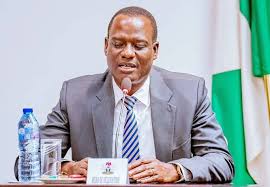
The Federal Government borrowed N11.9 trillion between June 2023 and December 2025 to support its expenditure, the Minister of Finance and Coordinating Minister of the Economy, Taiwo Oyedele, has said.
Oyedele disclosed this while presenting the government’s economic reforms scorecard, noting that the borrowing would have been significantly higher without the fiscal space created by the reforms.
According to him, the Federal Government’s incremental resources from subsidy savings, independent revenues and additional borrowing amounted to N20.4 trillion during the period.
He said the Federal Government’s incremental expenditure stood at N30.64 trillion, with N9.39 trillion spent on wage adjustments, minimum wage increases and allowances for public servants.
“The additional borrowing taken for that period of time from June 2023 to December 2025 amounted to N11.9 trillion, a figure that would have been far higher and economically destabilising without the fiscal space the reforms created,” Oyedele said.
The minister explained that the resources generated through the reforms were used to finance increased government expenditure rather than being left idle.
He said subsidy savings between June 2023 and December 2025 mobilised N15.8 trillion in resources for the Federation, stressing that the savings did not appear as a separate credit to the Federation Account.
Of the N15.8 trillion mobilised, the Federal Government received N5.4 trillion, while N10.4 trillion was distributed to state and local governments through the Federation Account.
Oyedele also attributed higher customs collections to the exchange rate adjustment, explaining that the naira value of dollar-denominated import duties increased following the depreciation of the naira.
He added that petroleum profit tax collections also increased in naira terms because dollar-denominated revenues were converted at a higher exchange rate.
According to the minister, the gains reflected the combined impact of petrol subsidy removal and the liberalisation of the foreign exchange market.
He argued that the previous foreign exchange regime effectively subsidised foreign exchange, with the benefits accruing to rent seekers rather than ordinary Nigerians and manufacturers.
The Federal Government also generated an additional N3.1 trillion in independent revenue during the period, largely from increased surpluses and remittances from government-owned entities, Oyedele said.
President Bola Tinubu removed the petrol subsidy on May 29, 2023, shortly after his inauguration. The policy ended the system through which the government absorbed part of the cost of petrol to keep pump prices below market-related levels.
The removal triggered a sharp increase in petrol prices and contributed to higher transportation and living costs across the country.
The government has maintained that subsidy removal was necessary to ease fiscal pressures and redirect public resources towards productive sectors of the economy.
Earlier this year, President Tinubu said the removal of the fuel subsidy saved Nigeria from imminent bankruptcy and helped lay the foundation for economic recovery.
However, CFG Advisory has warned that the fiscal gains from the subsidy removal have been fully absorbed by rising debt servicing costs, leaving the Federal Government with limited capacity to fund development projects and social interventions.
The firm said the redirection of subsidy savings towards debt servicing had effectively neutralised the intended fiscal relief and raised concerns about the sustainability of the government’s fiscal strategy.
While the government says the reforms have improved its fiscal position and reduced the need for additional borrowing, the subsidy removal and exchange rate reforms have also imposed significant economic costs, including higher prices and a sharp adjustment in the value of the naira.