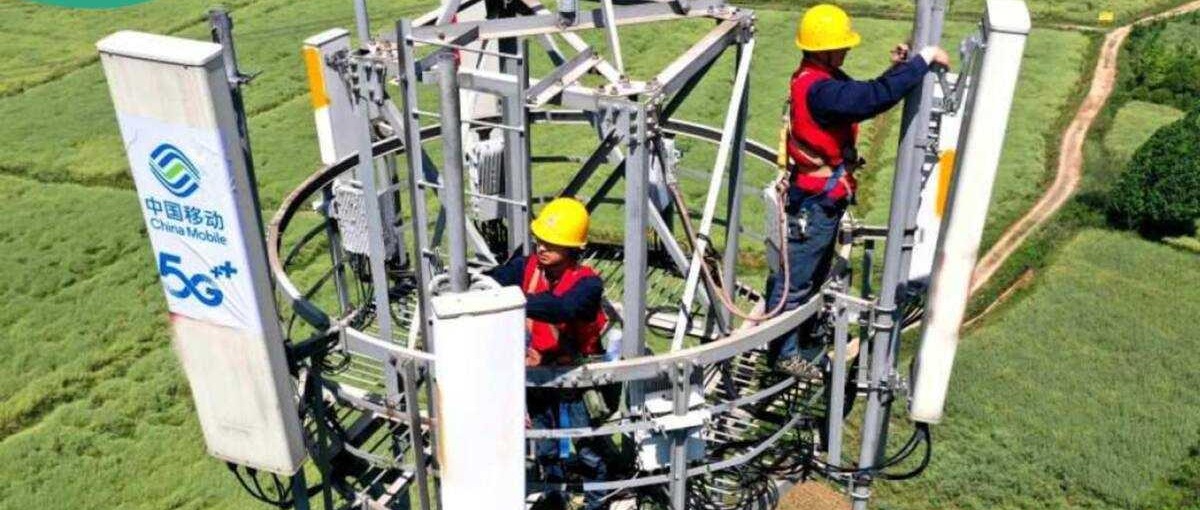
The Federal Government has commenced the rollout of 3,700 telecommunications sites under the Nigeria Universal Communication Access Project (NUCAP), beginning with the commissioning of the first site in Bende, Abia State.
The first tower was commissioned on Friday, October 16, as part of a nationwide initiative aimed at extending reliable broadband and communication services to underserved and unserved rural and riverine communities.
Minister of Communications, Innovation and Digital Economy, Dr. Bosun Tijani, said the project was designed to improve connectivity in communities that have historically struggled to access reliable telecommunications infrastructure.
The rollout represents a significant infrastructure effort as the government seeks to increase internet access and expand the reach of digital services beyond major cities.
Reliable connectivity has become increasingly important for education, healthcare, financial services, agriculture and small-business development. However, communities without dependable mobile and broadband networks often face difficulties accessing online services and participating fully in the digital economy.
The government’s initiative is intended to address these gaps by extending telecommunications infrastructure to areas where commercial deployment may be limited by low population density, high construction costs or challenging terrain.
For rural businesses, improved coverage could support digital payments, online marketing, communication with suppliers and access to market information. Students and teachers could also benefit from better access to digital learning resources, while health facilities may gain improved communication links.
The project is also relevant to financial inclusion, as reliable mobile connectivity supports mobile banking, agent banking and other digital financial services.
Nevertheless, the impact of the towers will depend on more than their physical installation. Network operators must provide reliable service, while communities need affordable devices, data plans and sufficient electricity to make meaningful use of the infrastructure.
Maintenance, backhaul capacity and coordination with telecommunications operators will also determine whether the new sites deliver sustained improvements in service quality.
The government has identified 3,700 sites under the initiative, but the commissioning of the first tower does not mean the entire network is already operational. Further rollout and implementation will be required to bring the planned sites into service.
For Nigeria, the initiative offers an opportunity to reduce geographical inequalities in digital access and extend the benefits of connectivity to communities that have been left behind.
The project’s success will ultimately be measured by the number of communities receiving reliable service, the affordability of access and the extent to which connectivity translates into improved economic and social outcomes.