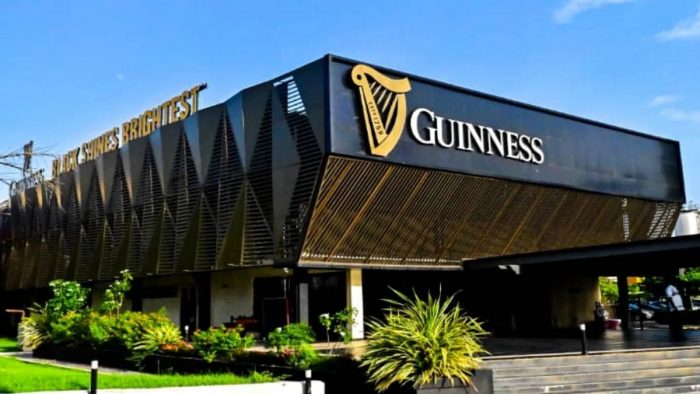
After a prolonged period of financial strain, Guinness Nigeria Plc has staged a remarkable turnaround, returning to profitability and restoring investor confidence within a short period.
The company’s Managing Director and Chief Executive Officer, Girish Sharma, disclosed this during an earnings call held on Tuesday, May 5, 2026, where he outlined the strategies behind the brewer’s recovery following a change in management and acquisition by new core investors.
Once weighed down by losses and high finance costs, the brewer reported a profit after tax of N41.2 billion for the 18-month period ending December 31, 2025. This marks a sharp reversal from its previous loss-making position.
Sharma described the recovery as the result of “transformational agendas” executed over the past 18 months. According to him, revenue rose significantly to N730 billion, with an operating margin of 12 percent, translating to about N90 billion.
He noted that the company successfully restored its balance sheet, moving equity to a positive N43.3 billion, while finance costs dropped to below N40 billion—less than half of previous levels—due to debt restructuring and improved foreign exchange risk management.
“We’ve managed to repair the equity… our finance costs are much lower, and working capital is balanced,” Sharma said, adding that the company is now positioned to aggressively grow volumes.
A key driver of the turnaround was strong performance in the ready-to-drink (RTD) and malt segments, alongside expanded distribution into previously underserved regions across Nigeria. The company deliberately targeted gaps in its distribution network, boosting product availability nationwide.
In addition, Guinness Nigeria invested in capital expenditure, including returnable packaging and production efficiency improvements, while also increasing local sourcing and diversifying suppliers to reduce costs.
Looking ahead, the company plans to focus on volume-led growth, particularly in value segments, as consumers grapple with inflation and rising living costs. Despite macroeconomic challenges, Sharma described Nigerian consumers as resilient, with a noticeable shift toward more affordable products.
To sustain momentum, the brewer intends to deepen distribution, expand its RTD portfolio, and continue factory modernisation and automation, while maintaining strict cost and debt management. Pricing adjustments, he noted, will remain a last resort.
The company’s financial recovery has also translated into improved shareholder value. Its share price has surged nearly sixfold, rising from N62 to as high as N499, while market capitalisation climbed from under N150 billion to nearly N1 trillion before a slight moderation.
Guinness Nigeria also declared an interim dividend of N2 per share for its restructured first-quarter reporting period—its first dividend payout in four years.
With stronger margins, reduced debt burden, and renewed investor confidence, the brewer appears firmly on the path to sustained growth. However, analysts note that maintaining this trajectory will depend on its ability to navigate Nigeria’s volatile economic environment while continuing to drive volume expansion.